
How to choose grass and lawn seed
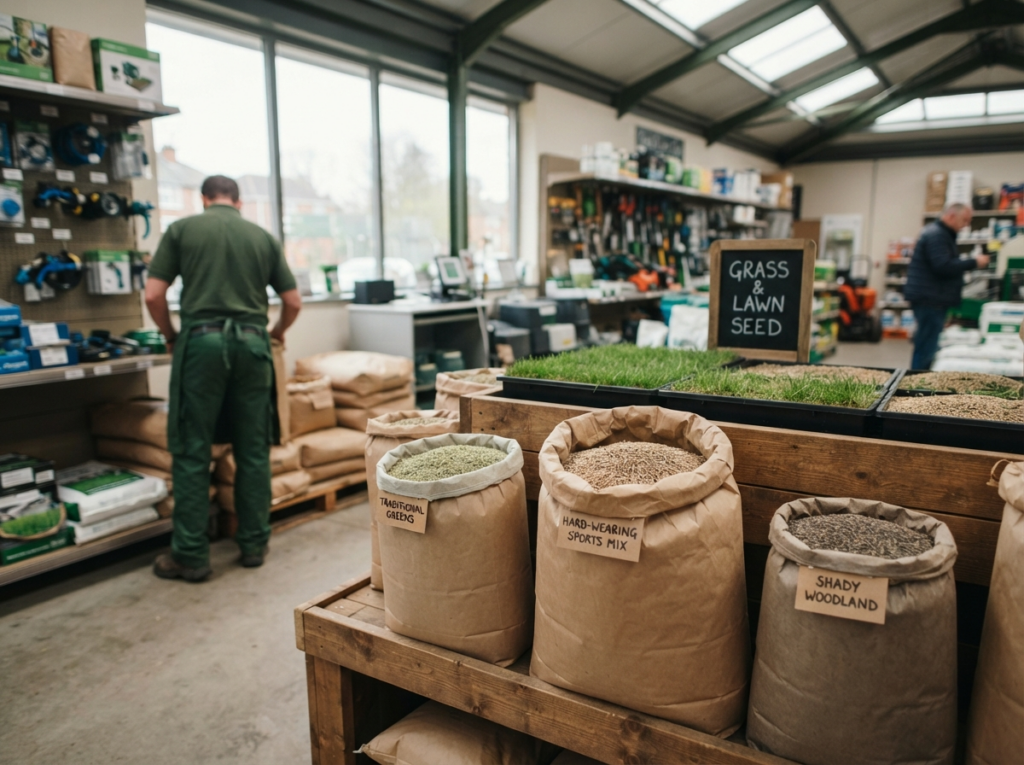
Before you look at a single bag, answer three questions: what is this grass for, how hard will it be used, and how much maintenance can it realistically get. A mix bought on price alone, or on habit, usually turns out wrong for at least one of those three, and that is the mistake this guide is meant to head off.
What is the grass actually for?
A domestic lawn, a grazing paddock, a sports pitch and a road verge all want a completely different plant. Sowing a golf green mix on a family lawn gets you a beautiful sward that collapses under a trampoline within a season. Sowing a paddock ley on an ornamental border wastes the fine fescue you were paying for.
For a garden lawn, start with Back Lawn Grass Seed Mix or, where looks matter more than football, Front Lawn Grass Seed Mix. For grazing, Pony Paddock Mix Including Herbs and Dedicated Grazer Grass Seed Mixture cover equine and general livestock use. For pitches, Premium Winter Sports Grass Seed Mix and Cricket Wicket Grass Seed Mix are built for specific sports, while Traditional Greens Grass Seed Mix is for golf and bowling greens. For amenity land and hard sites, Drought Tolerant Grass Mix, D.O.T. Verge Grass Seed Mix and Coastal Area Grass Seed Mix are each bred for one difficult condition rather than general use.
How much wear will it take?
Perennial ryegrass establishes fast and shrugs off boots, mower wheels and dogs, which is why it dominates family lawn and sports mixes. Fine fescue and bent give a denser, better-looking sward but sulk under heavy footfall and close mowing pressure at the same time. Most Phoenix mixes blend the two in a ratio that tells you what the mix is really for: heavier ryegrass content means a working lawn or pitch, heavier fescue and bent means a showpiece that needs a lighter touch. If you cannot decide, Universal Grass Seed Mix takes the middle ground deliberately, at a lower cost than a specialist blend, and copes with most general purpose sites.
Sun, shade or wet ground?
Standard mixes underperform in shade, on waterlogged clay and on exposed coastal ground, not because the seed is poor but because the wrong species are in it. Under trees or between buildings, use a shade-bred mix rather than hoping a lawn mix adapts: dwarf ryegrass nurses the slower fescues through establishment. Ground that floods or sits wet needs a mix rooted for it rather than one that simply tolerates a damp patch. Salt-laden coastal sites and roadside verges exposed to exhaust fumes need their own tolerant species too. Getting this fork right matters more than the wear question above it, because a mix fighting the wrong site conditions never gets the chance to prove its wear tolerance.
Which product for which job
Family lawn, new or renovated: Back Lawn Grass Seed Mix, a 50/50 ryegrass and strong creeping red fescue blend built to take everyday use and self-repair.
Shaded lawn under mature trees: Woodland & Heavy Shade Grass Seed Mix, for the cold, nutrient-poor soil that low light usually leaves behind.
Grazing paddock with horses or ponies: Pony Paddock Mix Including Herbs, which deliberately leaves out tetraploid ryegrass because it can upset equine digestion.
Winter sports pitch, new build or renovation: Premium Winter Sports Grass Seed Mix, four ryegrass cultivars sown at 40g/m² on bare ground or 20g/m² to overseed.
Golf or bowling green: Traditional Greens Grass Seed Mix, an 80/20 fescue and browntop bent mix that has been the standard for UK greens for decades.
Exposed roadside, verge or embankment: D.O.T. Verge Grass Seed Mix, which establishes quickly, binds the slope and copes with drought and passing traffic fumes.
Sandy or salt-affected coastal ground: Coastal Area Grass Seed Mix, built around salt-tolerant fescues and salt marsh grass.
None of these categories is fixed. If your site does not fit neatly into a lawn, paddock or pitch, the Create Your Own Seed Mix service will blend a bespoke grass mix, or a grass and wildflower combination, to your soil and brief.
If you are still weighing up lawn seed specifically against sports or golf turf, our dedicated lawn seed and sports and golf guides go into each in more depth. Otherwise, the fastest way to a right-first-time order is to phone the Phoenix Amenity sales office with your site details and let them match the mix.
Frequently asked questions
How much grass seed do I need per square metre?
It depends on the mix and whether you are sowing bare ground or overseeding. Winter sports mixes such as Premium Winter Sports Grass Seed Mix are sown at 40g per square metre on bare ground and 20g per square metre when overseeding thin turf. Paddock and pasture mixes are usually sold by the acre rather than the square metre. Check the rate on the individual product page before ordering, since it varies by species mix.
Can I mix two grass seed products together?
Generally no, not by guesswork. Phoenix mixes are already blended to a specific ratio for a purpose, and combining two finished mixes usually throws that ratio off rather than improving it. If you need a blend that does not exist in the range, use the Create Your Own Seed Mix service and it will be formulated properly rather than mixed on site.
Does grass seed need feeding after sowing?
New grass establishes better with a starter feed low in nitrogen but reasonable in phosphate, since phosphate drives root development in young seedlings. Most mixes will still establish without it on reasonable soil, but a soil test beforehand tells you whether your ground actually needs it rather than adding fertiliser on the off chance.