
 In stock
 Seed & Plants8–12 g/m²4–8 g/m²
All Bent Renovation Grass Seed Mix
£18.68 per kg (inc VAT)£18.68 per kg (ex VAT)
kg
Trade customer? Open an account for volume pricing & POA on bulk orders. Apply now →
In stock
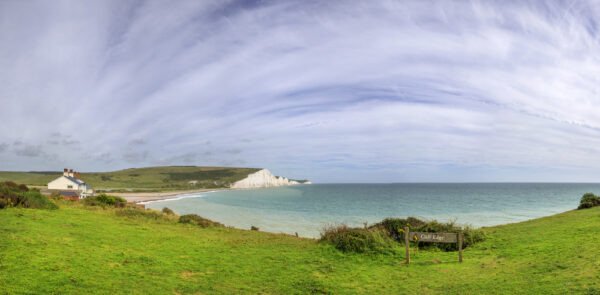
Coastal Area Grass Seed Mix is a specialist blend for exposed UK coastal sites: salt-laden winds, free-draining sandy soils and occasional salt spray. It combines salt-tolerant fescues, amenity ryegrass and salt marsh grass to establish a durable, low-maintenance sward on coastal verges, dunes, embankments and other salt-affected or free-draining ground.
| Quantity | Price per kg | You save |
|---|---|---|
| 5–9 | £7.62 (inc VAT)£7.62 (ex VAT) | — |
| 10–14 | £6.62 (inc VAT)£6.62 (ex VAT) | 13% |
| 15–20 | £6.29 (inc VAT)£6.29 (ex VAT) | 17% |
| 21–80 | £5.98 (inc VAT)£5.98 (ex VAT) | 22% |
| 81–250 | £5.92 (inc VAT)£5.92 (ex VAT) | 22% |
| 251–499 | £5.68 (inc VAT)£5.68 (ex VAT) | 25% |
| 500–1,000 | £5.53 (inc VAT)£5.53 (ex VAT) | 27% |
| 1,001–3,000 | £5.32 (inc VAT)£5.32 (ex VAT) | 30% |
| 3,001–5,000 | £5.20 (inc VAT)£5.20 (ex VAT) | 32% |
| 5,001+ | £5.13 (inc VAT)£5.13 (ex VAT) | 33% |
Phoenix Amenity Coastal Area Grass Seed Mix is a specialist blend for the demanding conditions found on exposed UK coastlines and salt-affected sites. Standard amenity mixes often fail here: salt spray damage, free-draining sandy soils and persistent wind exposure all take their toll. This mix combines salt-tolerant species with fine fescues and stabilising grasses to build a durable, low-maintenance sward suited to conditions where general-purpose mixes struggle.
| Species | Proportion | Primary Role |
|---|---|---|
| Slender Red Fescue | 40% | Salt tolerance, drought tolerance, and fine texture |
| Amenity Perennial Ryegrass | 30% | Rapid establishment and soil stabilisation |
| Hard Fescue | 10% | Drought tolerance and low fertility performance |
| Smooth Stalked Meadow Grass | 10% | Long-term sward density and persistence |
| Salt Marsh Grass | 6% | Highly saline environment tolerance |
| Creeping Bent Grass | 2% | Lateral spread and sward knitting |
| Highland Brown Top Bent | 2% | Fine density and adaptability to poor soils |
Each species plays a specific role in establishing and maintaining turf under coastal conditions.
Slender red fescue is the dominant species in this mix and provides its core salt and drought tolerance. Its fine, dense leaf texture produces an attractive, low-maintenance sward that performs well on free-draining sandy and light soils typical of coastal sites. It withstands the abrasive effect of salt-laden winds more effectively than general-purpose grasses and holds its colour and density through prolonged exposure without needing regular feeding.
The perennial ryegrass fraction provides the rapid germination and early ground cover needed to stabilise vulnerable coastal soils quickly after seeding. On coastal verges, embankments and disturbed ground, fast establishment is critical to prevent wind and water erosion before the slower-establishing fescue species take hold. It also contributes wear tolerance on sites that receive foot traffic or vehicle access.
Hard fescue adds further drought tolerance and performs reliably in the nutrient-poor, often acidic soils commonly found on coastal dunes and sandy verges. It requires minimal fertility to persist and keep a reasonable appearance, which makes it well suited to sites where fertiliser application is impractical or undesirable for ecological reasons.
Smooth stalked meadow grass spreads by underground rhizomes and adds long-term density and recovery as the turf matures. It establishes slowly, but strengthens the sward over time and helps keep it dense and stable across successive seasons on exposed sites.
Salt marsh grass is included for the areas of highest salt exposure, including ground affected by occasional salt spray or tidal influence. It is a highly salt-tolerant (halophytic) species and, of the seven grasses in this mix, offers the strongest tolerance of extreme saline conditions.
Creeping bent spreads by stolons, knitting the sward together and filling minor gaps as the turf establishes. It tolerates sandy, low-fertility soils and is a reliable contributor on coastal sites.
The Highland strain of brown top bent is selected for its adaptability to poor, acidic and exposed conditions. It adds fine density to the base of the sward and performs reliably on the thin, nutrient-deficient soils that can be challenging for other species.
20mm. On exposed coastal sites where low maintenance is required, let the sward grow slightly taller between cuts: this improves drought and wind tolerance during dry or exposed periods.
Late summer to early autumn (August–October) is the preferred sowing window. Spring sowing (April–May) is also suitable, though irrigation may be needed on free-draining coastal soils during dry spells.
Note: All seeds specified in this mixture are subject to availability at the time of purchase.
Goes well with
In stock Seed & Plants8–12 g/m²4–8 g/m²
 In stock
 Seed & Plants40 g/m²20 g/m²
 In stock
 Seed & Plants30 g/m²10 g/m²
 In stock
 Seed & Plants40 g/m²20 g/m²
 Quote
Quote  In stock
 Seed & Plants40 g/m²20 g/m²
 In stock
 Seed & Plants50 g/m²30 g/m²
 In stock
 Seed & Plants40 g/m²20 g/m²