How to keep newly planted trees alive through a dry June and July
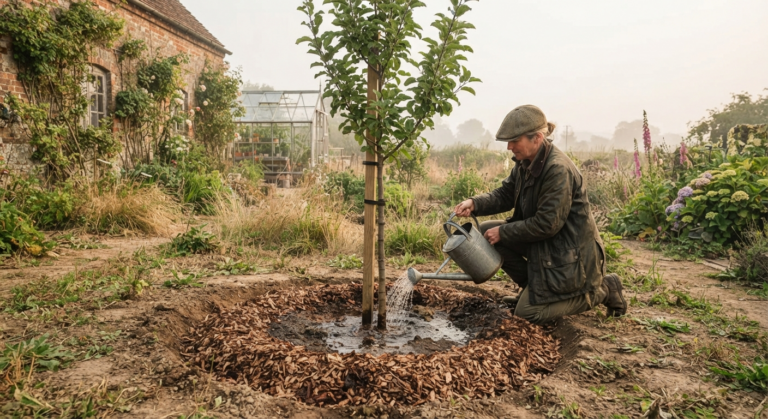
Newly planted trees are most at risk in their first summer. This covers the right watering volumes, mulch depth and condition checks for a dry June and July.
Trade customer? Open an account for volume pricing & POA on bulk orders. Apply now →
Planting, pruning and protecting trees, hedging and shrubs the whole year round.
Newly planted trees are most at risk in their first summer. This covers the right watering volumes, mulch depth and condition checks for a dry June and July.
Bare-root planting must be done before bud burst. Here is what to do in the last weeks of the dormant season, including holding stock when the ground is frozen.
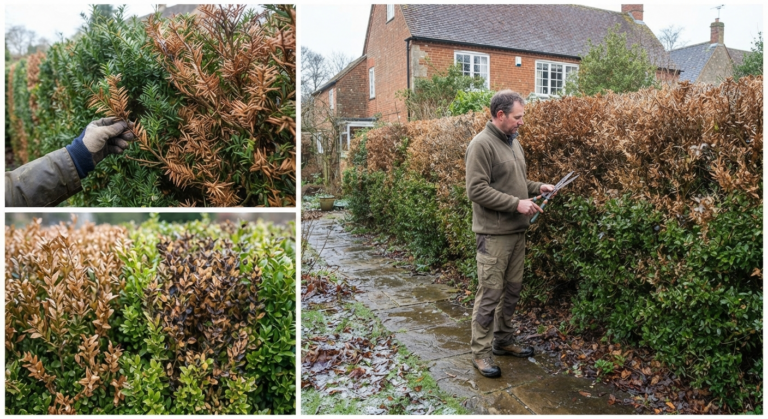
Learn to tell frost scorch from disease on evergreen hedging, and why cutting back damaged growth in January or February usually makes things worse.
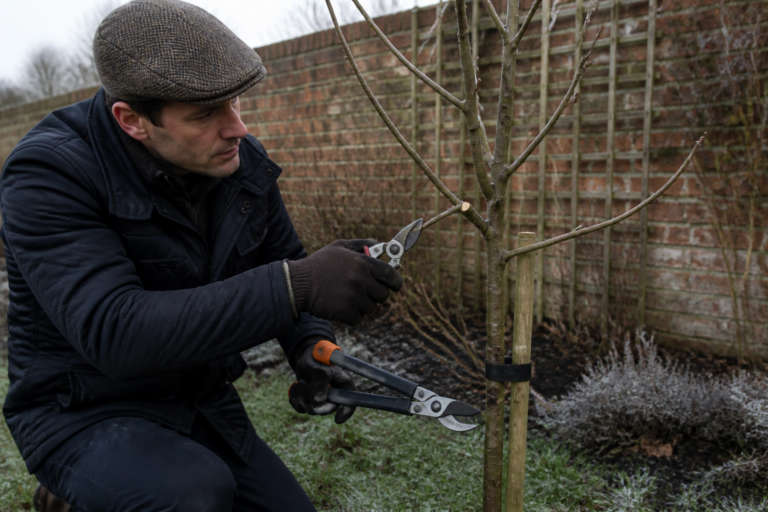
Learn which trees and shrubs benefit from dormant-season pruning in winter, which to leave until summer, and how formative cuts shape young stock for decades.
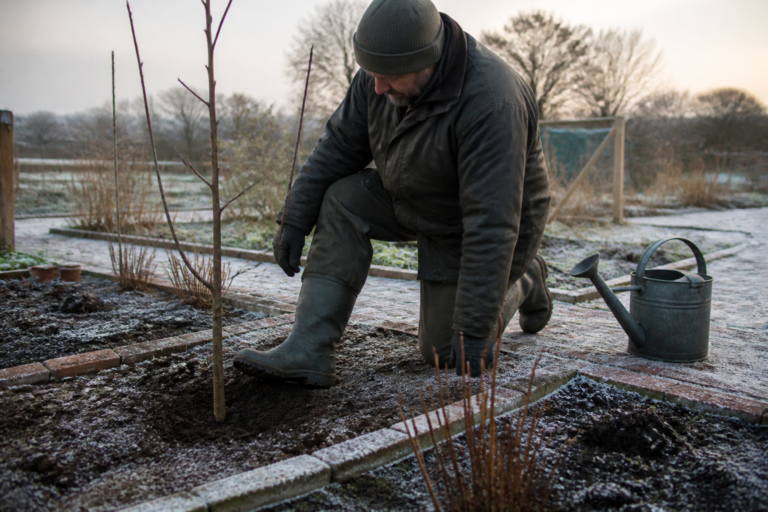
Frost heave can loosen newly planted trees and shrubs overnight. Here is what to check and re-firm before December's cold sets in.
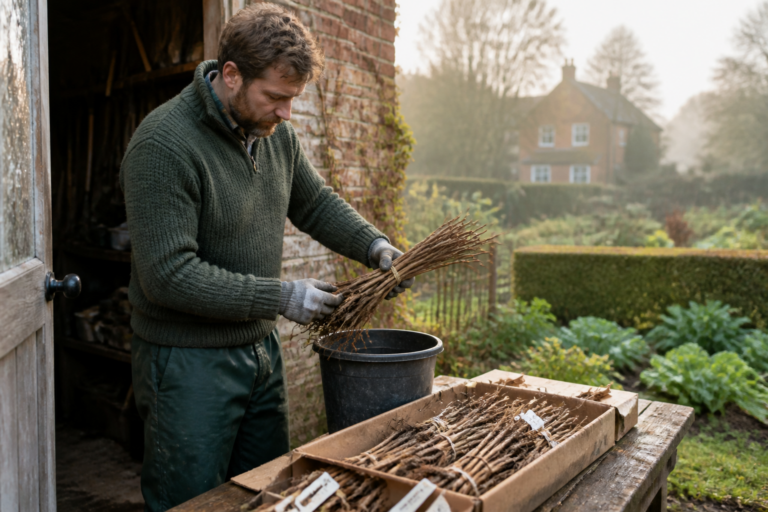
Bare-root hedging season opens in October. Handle whips correctly from delivery, heel in if needed, and space them right for a healthy hedge line.
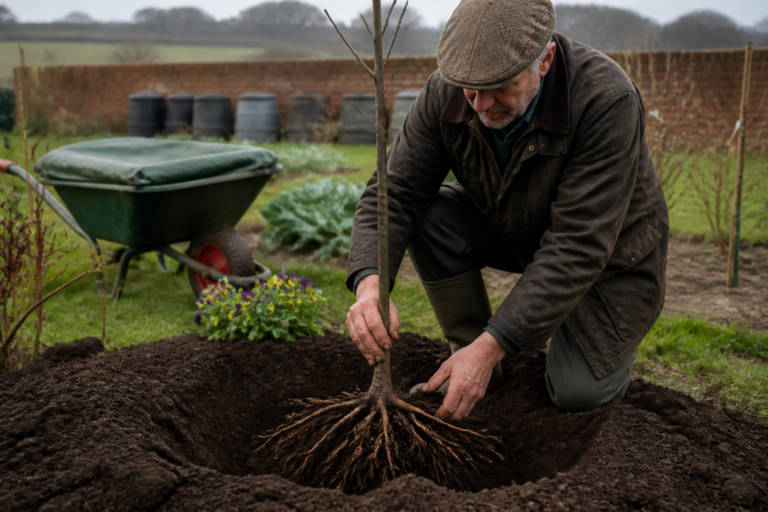
Autumn soil holds residual summer warmth, letting tree roots establish before spring. Get planting pits, staking and mulching right for better long-term results.
Spring soil is moist and warming: the ideal conditions to get hedging and shrubs established before summer. Container stock and any remaining root-balled plants should go in now.
Young trees planted in autumn are at their most vulnerable in midwinter. Check for frost heave and fit tree guards now to prevent losses before spring.