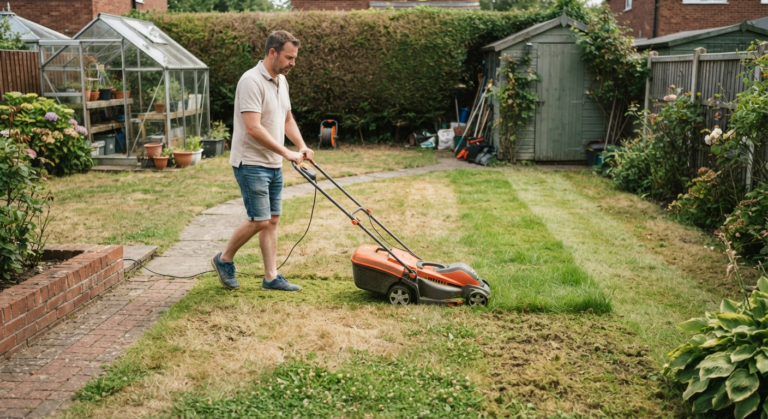
Cut higher and less often to protect your lawn through dry summer weather
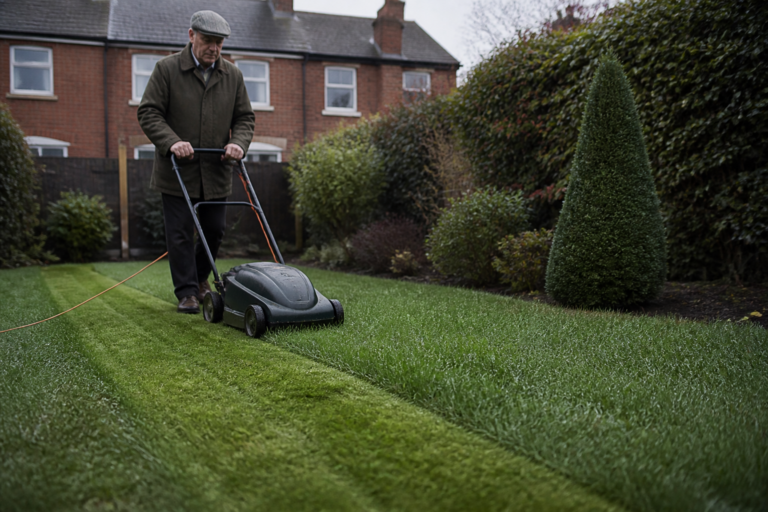
When dry weather sets in, raise your cutting height to 40-50mm and reduce mowing frequency. Cutting a drought-stressed or dormant lawn short does lasting damage to the plant.
Trade customer? Open an account for volume pricing & POA on bulk orders. Apply now →
Mowing, feeding and the routine care that keeps lawns and amenity grass healthy through the year.
When dry weather sets in, raise your cutting height to 40-50mm and reduce mowing frequency. Cutting a drought-stressed or dormant lawn short does lasting damage to the plant.
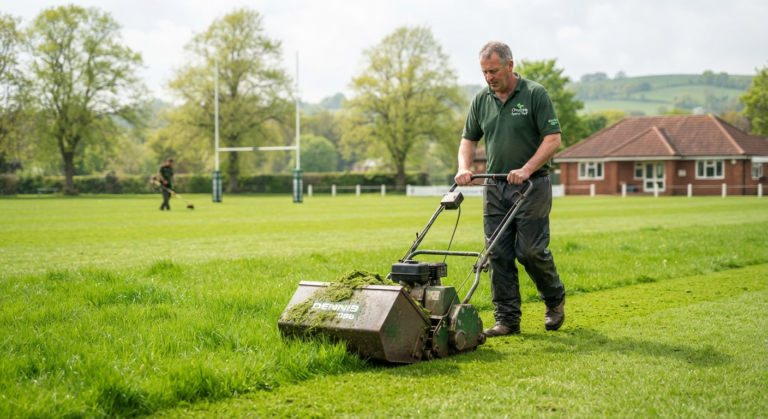
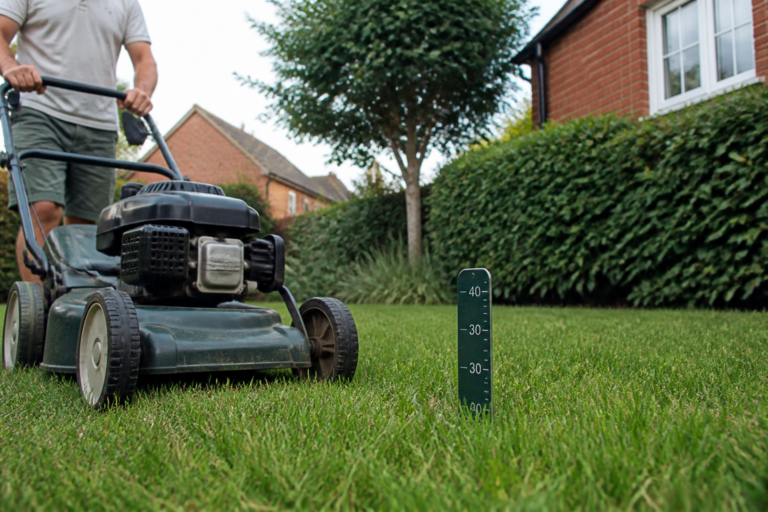
Raising the mowing height to 4 to 5 cm before summer drought arrives gives your lawn a better chance of staying green and recovering faster from dry spells.
When spring grass races ahead of your mowing schedule, the one-third rule protects your sward. More cuts, not harder cuts, are the answer.
Bringing the sward down to 25-30mm in staged cuts before dormancy reduces the matting and disease risk that can damage UK lawns over winter.
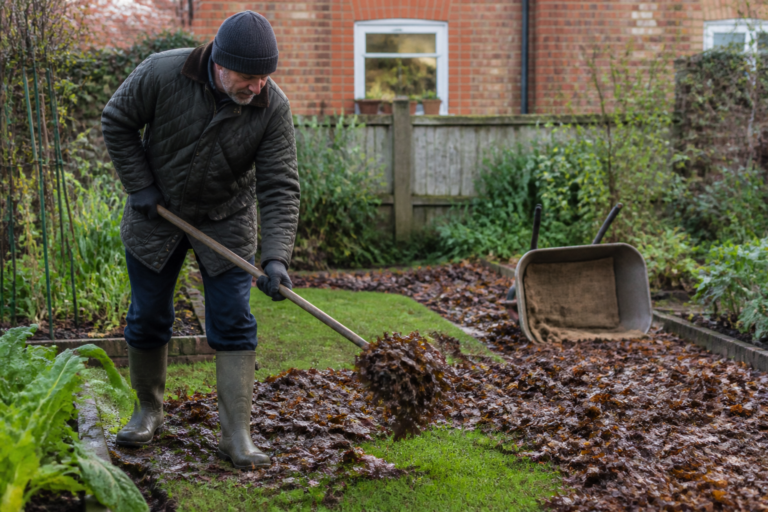
Autumn leaves mat fast and block the light that October grass still needs. Clear regularly, mulch where you can, and put collected leaves to work as leaf mould.
Raising your mowing height by 10-20mm in a dry spell shades the crown and slows evaporation, keeping the lawn cooler and more resilient through summer heat and drought.
In June, grass can outpace a weekly mowing schedule. Cut little and often to stay within the one-third rule and protect sward quality through peak growth.
Build turf root depth, adjust your feeding strategy and plan wear zones now, before summer heat and heavy footfall make repair much harder.
Spring turf is softer and more vulnerable than it looks. Set your first cut of the season at 40 to 50mm and ease the height down gradually to avoid scalping new growth.
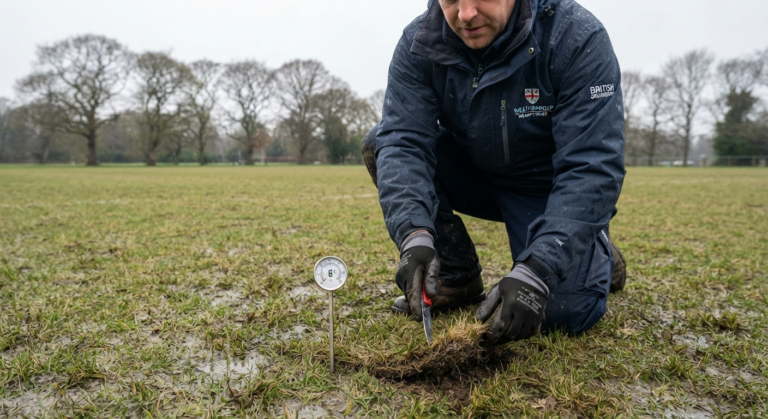
Soil temperature at 10 cm depth, not the calendar, is the trigger for your first spring fertiliser application. Apply before roots are active and most of the nitrogen leaches away.