
Build summer turf resilience now: root depth, feeding and wear planning before the pressure peaks
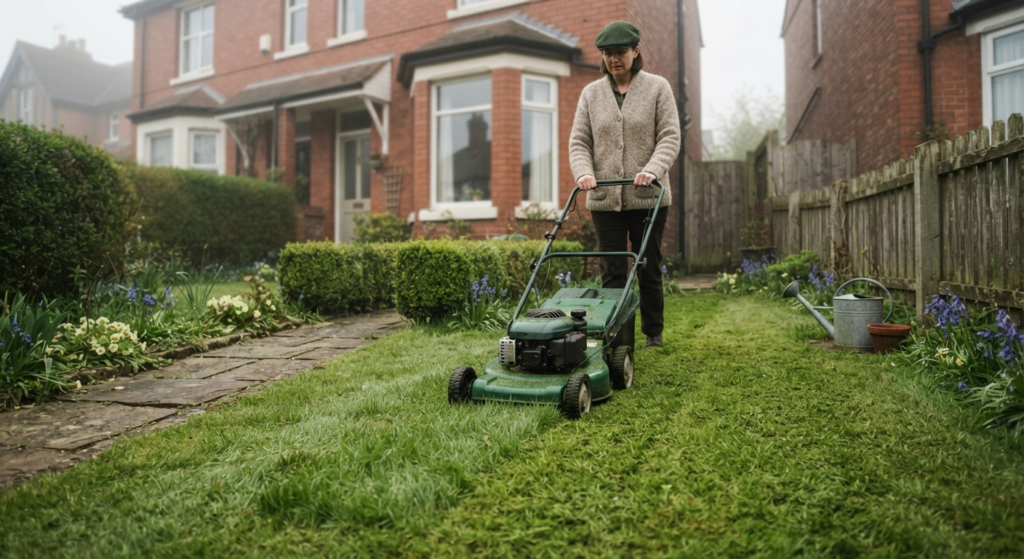
Late May is the window you actually have. The grass is growing well, soil temperatures are up, and there are six to eight weeks before the combined pressure of summer heat and peak footfall starts testing everything you have or haven’t done. Getting ahead of that pressure is much simpler than rescuing turf after it has failed.
The three things that make the biggest practical difference are root depth, feeding strategy and a plan for where and when your site takes the most punishment. None of this requires expensive intervention if you act now.
Root depth is the foundation for summer performance
Grass in compacted ground roots shallowly, sometimes 30-75mm or less. Well-aerated turf in decent soil can root to 150-200mm. That difference determines whether the sward stays functional during a fortnight without rain in July or goes into stress and thinning.
If your turf hasn’t been aerated in the past year, late May is still a reasonable time to do it. Hollow-tine aeration, which removes cores rather than simply spiking, opens compacted layers and gives roots somewhere to extend. Follow it with a light top-dressing to prevent the holes closing over. On amenity and sports turf carrying regular foot traffic, solid spiking alone does not hold compaction at bay for long.
To check your current rooting depth, take a spade sample in a representative section and look at where the white root mass stops below the turf surface. Roots stopping at 50mm or less in a high-use area are a problem you want to know about now, not in August.
Feeding before the heat, not during it
The instinct to apply a high-nitrogen feed in late spring is understandable: it produces visible results fast. The trouble is that lush, nitrogen-driven leaf growth comes with shallower roots and weaker cell walls, both of which leave the sward more exposed to drought and wear. Late May feeding should be about sustaining the sward, not pushing it.
A slow-release balanced product, or one with a lower nitrogen to potassium ratio than a typical spring feed, suits this stage better. Potassium helps grass manage water stress and strengthens resistance to wear and fungal disease, both relevant as temperatures climb through June. The right rate depends on your soil: without a recent test, you are largely guessing at what’s already there.
If you haven’t tested in the past two to three years, do it before spending on product. It costs little. Applying nutrients a soil doesn’t need wastes money and can alter the sward’s behaviour in ways that are hard to trace back.
Wear planning before the crowds arrive
Footfall damage is cumulative rather than sudden. Repeated use of the same corridor or gathering point, without recovery time, is what turns thin turf into bare soil. Summer compounds this because high footfall and heat stress coincide, leaving the sward with less capacity to recover between uses.
Walk the site now and map where traffic concentrates: main entrance routes, desire lines worn into the sward, areas near hard surfaces where drainage runs off onto the grass. Temporarily closing the most vulnerable sections for two or three weeks in May and June, before peak season, is cheaper and easier than overseeding in August after the damage is done.
If events are planned for the site, put them on a calendar with a realistic estimate of footfall. Turf with good root depth and adequate nutrition can tolerate a high-traffic day if it gets several days of recovery. Three consecutive busy weekends with no respite is where the sward starts to lose the battle.
What to check across the site before July
A late May site walk with a list in hand is worth the hour. Check mowing height: for most amenity and recreational turf, cutting at 35-50mm handles summer heat better than a closer cut, as the longer leaf slows surface moisture loss. Sharp blades matter too; a torn leaf tip is an entry point for drought stress and fungal disease.
Look at drainage in areas expecting heavy use. Standing water after rain indicates a problem that will worsen under footfall pressure. Scan for bare patches however small, because exposed soil compacts quickly and loses any remaining grass cover fast. Small bare areas are fixable in late May. The same patches in July, baked and trafficked, are a different problem entirely.
Frequently asked questions
When should I apply a summer fertiliser to amenity turf?
Late May to early June is the usual window, once soil temperatures are consistently above 10 degrees C. Use a balanced or potassium-elevated product rather than a high-nitrogen spring feed. High nitrogen at this stage pushes leaf growth and can reduce root development and drought tolerance going into summer.
How do I check whether my turf is rooting deeply enough?
Take a spade sample in a representative area and look at how far the white root mass extends below the soil surface. Roots stopping at 50mm or less in high-use turf indicate compaction. A depth of 100-200mm gives much better resilience to summer heat and drought.
Can I overseed worn patches in late May?
Conditions are generally suitable if soil temperature is above 10 degrees C and you can keep the seedbed moist for the first two weeks. If the same area faces heavy footfall in June, newly germinating grass will not establish fast enough to cope with it. Close the area off while it establishes.
Should I raise the mowing height before summer?
For most amenity and recreational turf, a cut height of 35-50mm handles summer better than a closer cut. The longer leaf slows surface moisture loss and maintains photosynthesis during dry spells. Fine turf such as cricket squares and bowling greens follows different cutting protocols.
How long does turf need to recover between high-footfall events?
It varies with soil type, drainage and root depth. On well-rooted, free-draining ground, recovery from a single-day high-footfall event can take 3-5 days. Repeated back-to-back events without rest are where lasting damage accumulates, regardless of the sward's condition at the start of the season.