
Lower the mowing height gradually this autumn to reduce winter disease risk
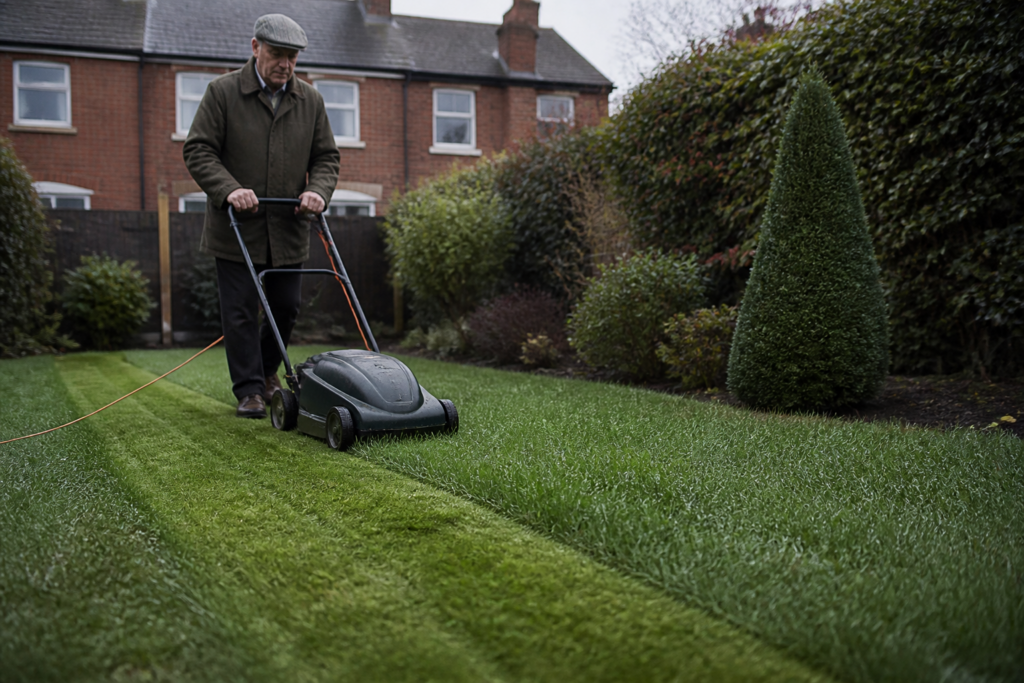
Late October is when UK grass makes its last real demand on your schedule before winter. Growth has slowed, the light is going, and putting the mower away feels reasonable. But what you do in the final two or three cuts of the season shapes what the sward looks like in April.
Bring the height down in stages, not all at once
For most amenity and domestic lawns, the target for your final cut is around 25 to 30mm. That is lower than a typical summer height of 40 to 50mm, but not short enough to stress the plant going into frost. The RHS advises keeping autumn grass above 25mm: below that, you remove too much leaf area and the sward is more vulnerable to low temperatures and dehydration at the crown.
The way to get there is gradual. Reduce height by no more than a third at any one session. If your last three cuts step from 45mm to 35mm to 25mm, the grass adjusts without the shock that a single large reduction causes. A plant that enters dormancy with reasonable leaf cover and stored energy is in considerably better shape than one cut back hard at the last minute.
Disease and matting: the case for a tidier sward
A long, soft sward going into November mats quickly. Rain and foot traffic flatten the leaves against the soil surface, and that damp layer sits through the cold months with poor airflow. This is where Fusarium patch (Microdochium nivale) finds the conditions it needs: cool, wet and undisturbed. It is the most common fungal disease on UK amenity turf through autumn and winter, appearing as pale, water-soaked patches, sometimes with a pinkish edge, spreading without any need for warm weather to trigger it.
Cutting to 25 to 30mm before dormancy does not make the lawn disease-proof. What it does is remove the sustained moisture-holding mat that makes Fusarium far more likely to take hold. The difference is most noticeable on shaded, poorly drained or sheltered areas, where a long sward can stay wet for days at a time. Red thread (Laetisaria fuciformis) is worth knowing about too: also associated with damp conditions and low nutrient levels in the leaf, it is another disease that a tidier sward and better air movement around the grass can help keep in check.
When to stop: soil temperature matters more than the date
Most UK cool-season grasses stop meaningful growth when soil temperature falls below around 5 degrees Celsius. Mowing below that threshold removes leaf material the plant cannot replace before spring, and gains very little. A simple soil thermometer takes the guesswork out of timing. The Met Office publishes seasonal soil temperature data across UK regions, which gives a useful reference for when this threshold is typically reached where you are.
Do not cut when there is frost on the leaves, when the ground is frozen, or when the soil is waterlogged. Frozen grass suffers cell damage when cut. Wet conditions cause compaction and rutting that can leave lasting problems well beyond the current season.
After the final cut: checks worth doing before winter
Clear clippings from the surface rather than leaving them in rows. A wet clipping layer adds to the mat that the cut was meant to reduce. If the volume of material coming off is large, it is worth checking that the blade is sharp; a blunt blade tears the leaf tip instead of cutting cleanly, and torn grass is slower to heal going into dormancy.
Before you put the mower away, note any patches with persistent wear, compaction, slow drainage or heavy shade. These are the spots where disease and waterlogging do most damage over winter. If overseeding or aeration is on the plan, you are close to the last viable window before soil conditions make it impractical until spring.
Frequently asked questions
When should I make the last cut of the year?
Most UK lawns see their final cut between late October and mid-November, depending on location and the season. Stop when soil temperature falls below around 5 degrees Celsius, grass growth has effectively halted, or the ground is frozen or waterlogged. There is no fixed calendar date that applies everywhere.
How short should the final autumn cut be?
Aim for 25 to 30mm for most amenity and domestic lawns. Below 25mm you remove too much leaf, leaving the sward more exposed to frost and stress at the crown. Sports turf targets will be lower, but the principle of staged reduction still applies.
Can I drop the mowing height in one cut rather than several?
Best avoided. Removing more than a third of the blade height in a single pass stresses the plant and removes more energy-storing leaf material than the grass can recover from easily before dormancy. Two or three staged reductions over the final weeks of the season gives better results.
What are the pale patches appearing on my lawn in autumn?
Pale, water-soaked patches in autumn or early winter are often Fusarium patch (Microdochium nivale), a fungal disease that spreads in cool, wet conditions. A pink edge to the patches is a further indicator. Long, matted grass going into winter creates the damp surface conditions Fusarium needs. If patches spread quickly, consult a turf agronomist.
Why does long grass cause more disease over winter?
Uncut or long grass mats down in autumn rain, forming a damp layer at the soil surface with restricted airflow. That moisture-holding mat is one of the main conditions allowing Fusarium patch to spread. Cutting to around 25 to 30mm before dormancy reduces the mat before the cold weather arrives.