
Overseed in late August: warm soil and returning rain make the difference
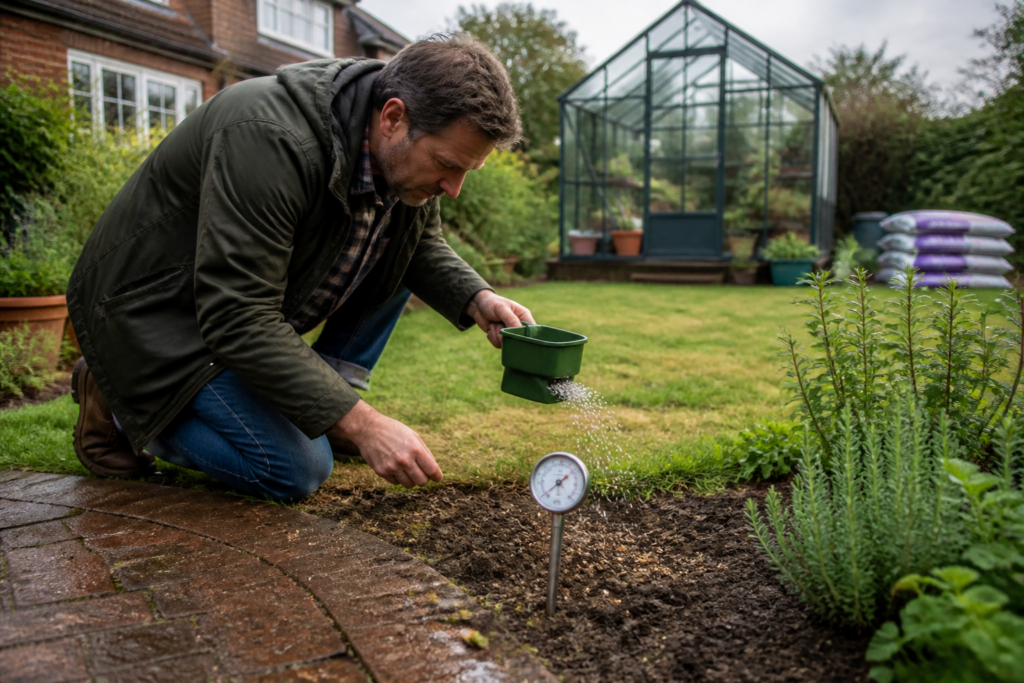
The conventional advice says overseed in autumn. The trouble is that “autumn” in practice often means late September or October, by which point the soil across much of the UK has already shed several weeks of warmth that would have made all the difference. Get the seed down in late August instead, and you are working with genuinely different conditions.
Why September is often already too late
Soil warms slowly through the year and cools slowly too, but it does cool. By late August, 10 cm of topsoil across southern and central England typically sits at 15 to 18°C, sometimes higher after a warm summer. That warmth is what grass seed needs: RHS guidance puts the practical minimum for most lawn grass species at around 10°C, with germination picking up sharply above 15°C. Wait until mid-October and you may be sowing into soil at 9 or 10°C, which means slow, patchy germination and seedlings that run out of growing season before they can knit together properly.
Annual weeds are also less of a problem by this point. They are still active in September but start to slow as days shorten, so sowing into warm late-summer ground gives new grass seedlings a cleaner run at the available light and nutrients.
Reading soil temperature in the field
Air temperature is what the forecast shows. Soil temperature is what governs germination, and the two can diverge significantly in late summer: nights can feel cool well before the soil follows. A basic soil thermometer pushed 5 to 10 cm into the ground in the morning gives you a working reading. Once you see consistently above 12°C through a five-day spell, conditions are workable. Above 15°C is better. If you are in Scotland or northern England, aim to sow in the first two weeks of August rather than the last, as soil temperatures there drop earlier in the season.
When late summer rain returns
One problem with July sowing is that it often lands in the driest part of the UK summer. Grass seed needs consistent moisture for the first two to three weeks, and a dry spell can stall germination before it gets going. By late August and early September, Atlantic weather systems tend to return, bringing more reliable rainfall across most of the country. The combination of warm soil and renewed moisture is about as good as conditions get for grass establishment.
That said, this is the UK and dry spells happen in September too. If rain is absent, water consistently to keep the seedbed moist. New seed sitting on a dry surface will not germinate regardless of what the soil temperature reads underneath.
Getting the ground ready
For overseeding to take hold, seed needs contact with soil, not thatch or leaf litter. On an existing lawn, cut the grass short first, then scarify or rake out loose thatch. A light aeration helps on compacted ground: even a garden fork pushed in at regular intervals is better than nothing on smaller areas. Spread seed at the rate the bag recommends and work it lightly into the surface with a rake. Good contact between seed and soil matters more than depth; most standard grass seed should be barely covered.
What to expect in the first six weeks
In warm soil with reasonable moisture, most standard lawn and amenity grasses will show germination within seven to fourteen days. First mowing can usually happen once seedlings reach 5 to 6 cm, typically four to five weeks after sowing. Keep blades high on the first two or three cuts and avoid heavy use on new areas. By the time the first frosts arrive (late October to mid-November across most of England, earlier in Scotland), well-timed late-August seed should have a settled root system.
Conditions vary, of course. Heavy clay, waterlogged patches, deep shade or badly compacted ground will all slow establishment, and those sites may need more preparation before overseeding makes sense. On a reasonably managed lawn or sports area in average UK conditions, this late-summer window is hard to beat.
Frequently asked questions
What soil temperature do you need for overseeding?
Most lawn grass species germinate reliably above 10°C, but germination is quicker and more even above 15°C. Check with a soil thermometer pushed 5 cm into the ground in the morning. Late August in the UK often meets this threshold even when nights feel cool.
Can you overseed a lawn in September in the UK?
Yes, though early September is better than late September. As soil temperature drops below 12°C, germination slows considerably and seedlings may not have time to establish before winter. Late August is preferable where the choice is available.
How long does overseeded grass take to germinate?
In warm late-summer soil with adequate moisture, most grass species germinate in seven to fourteen days. First mowing is usually possible around four to five weeks after sowing. Full establishment takes longer: the grass needs to come through one winter and put on spring growth before it is properly settled.
Do you need to water overseeded grass in late August?
Yes, unless rain is regular. Grass seed needs a consistently moist seedbed for the first two to three weeks. In a dry spell, water gently but frequently rather than applying a heavy soaking that risks washing seed to low spots.
Should you scarify before overseeding?
On a lawn with any thatch buildup, yes. Grass seed needs soil contact to germinate, and thatch prevents it. Cut the lawn short, remove loose thatch with a rake or scarifier, then sow. On a low-thatch lawn, a firm raking alone is often enough.