
A staged spring fertiliser programme to rebuild sports turf density
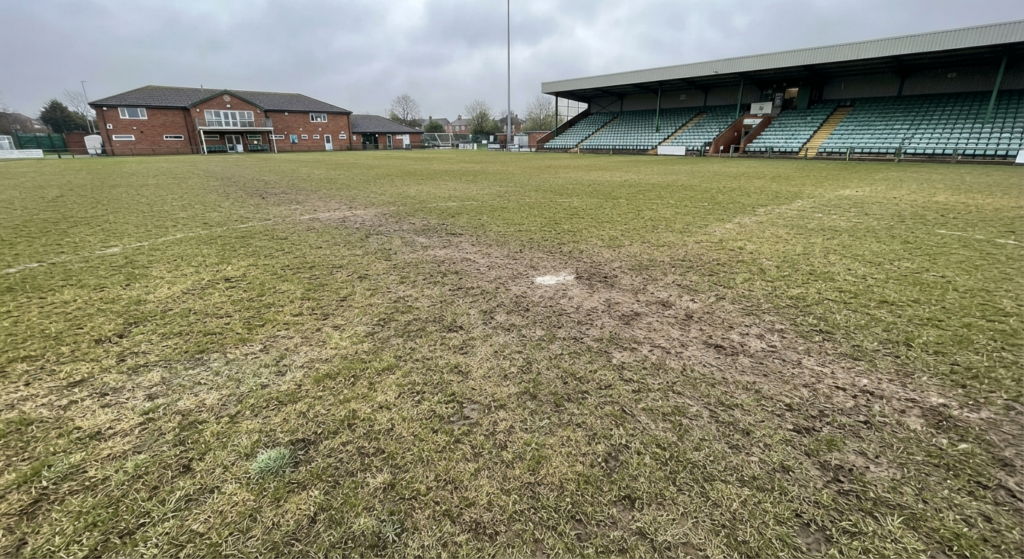
By April, most winter sports pitches are telling a familiar story. Goal mouths bare, centre circles thinned, touchlines scraped to soil in the high-traffic channels. The grass is recovering, but it has not recovered yet. The instinct is to push fertiliser down quickly and drive it along. That instinct is half right, but timing and staging matter more than speed.
Why early nitrogen can work against you
When soil temperatures at 10 cm depth are still below 8°C, grass root activity is limited. A high-nitrogen application at this point does not drive recovery. On sandy rootzones it leaches out in two or three rain events before the plant can use it. On heavier soils it can push soft leafy top growth with weak roots, making the sward more susceptible to fungal disease during wet spring weather.
Before committing to a full programme, check soil temperature rather than working from calendar dates. In lowland southern England, April soil temperatures typically range from 7°C to 11°C. In the Midlands and north, or on shaded and clay-based pitches, they run lower. That difference can push optimal feeding timing two or three weeks apart between sites that are geographically close.
Stage one: root support before the main feed
Once soil temperatures are reliably above 6-7°C, a starter feed with lower nitrogen content and a useful phosphorus component encourages root extension before active leaf growth. The aim at this stage is to strengthen existing plants and support any overseeded areas, not to force a flush of top growth.
Worn goal mouths and bare patches will not close by feeding alone. If significant areas of the pitch have lost grass crowns through winter wear, overseeding with a hard-wearing perennial ryegrass blend is doing most of the density recovery work. A phosphorus-containing starter fertiliser supports seedling establishment by encouraging root development. Feed and overseed together rather than treating them as separate jobs.
Stage two: rebuilding leaf density from mid-April
As temperatures climb through 10°C, generally from mid-April in southern and central England, a balanced feed can begin the proper recovery push. A nitrogen-led formulation with adequate potassium (a ratio around 20:5:10 N:P:K or similar) supports active leaf growth and wear resistance without the excessive surge that comes from applying straight nitrogen on warm ground.
On pitches that had thorough autumn renovation (hollow tining, overseeding, topdressing), this mid-spring feed is the main recovery driver and the sward can reach acceptable playing quality within six to eight weeks. On pitches that carried heavy wear through winter without autumn renovation, the spring programme carries more of the load and the result will be slower. Increasing rates to compensate tends not to help and can scorch stressed turf.
Slow-release or soluble: which to choose
Slow-release granular nitrogen makes good sense for a spring programme on most pitch types. It spreads the response over six to eight weeks, which suits the gradually improving growing conditions far better than a single soluble application. On sandy, free-draining rootzones in particular, a soluble high-nitrogen feed in April can leach before the roots catch up with it.
On compacted or poorly drained surfaces, granular products can sit unactivated if rainfall is marginal. A low-rate liquid application to start the programme, followed by slow-release granular once conditions settle, gives better control on those sites.
Check the soil before you start
A soil test done in late winter is worth the effort before any spring programme begins. Knowing pH, existing nutrient levels and organic matter content means the feed targets what is actually limiting the turf, which is not always nitrogen. Potassium is often depleted after a leaching winter on sandy rootzones. Lime may be needed on soils that have drifted below pH 6.0, where nutrient uptake is impaired regardless of what goes on the surface.
A programme built from tested baseline data, applied in stages as soil conditions allow, and paired with overseeding on worn areas will consistently outperform one that starts from optimism and a calendar date.
Frequently asked questions
When should I start fertilising a sports pitch in spring?
Wait until soil temperature at 10 cm depth is consistently above 6-8°C. In most of lowland England this falls between late March and mid-April, but check your site rather than the calendar as shaded or clay-based pitches can run several weeks behind.
Should I use liquid or granular fertiliser for spring turf recovery?
Both work. Slow-release granular products spread nitrogen over six to eight weeks, which suits gradually improving spring conditions. Liquid feeds act faster but leach more quickly on sandy rootzones. On compacted or poorly drained sites, starting with a low-rate liquid feed before moving to granular gives better control.
Can I overseed and fertilise at the same time on a worn pitch?
Yes, and the two work well together. A phosphorus-containing starter feed supports seedling root development. Avoid applying high nitrogen at germination stage, as it tends to favour existing established grass over seedlings trying to establish in bare patches.
How long does spring recovery take on a worn sports pitch?
On pitches with solid autumn renovation, a spring fertiliser programme can bring the sward to acceptable playing condition in six to eight weeks. On surfaces with significant crown loss from winter wear, full density recovery takes longer and may not complete until mid-summer.
Do I need a soil test before starting a spring fertiliser programme?
It is worth doing, particularly after a wet winter or on free-draining soils. Potassium is commonly depleted on sandy rootzones after heavy rainfall. Checking pH is also useful: grass nutrient uptake is impaired below pH 6.0 regardless of how much fertiliser is applied.