
How to spot soil compaction in late winter so spring aeration hits the right spots
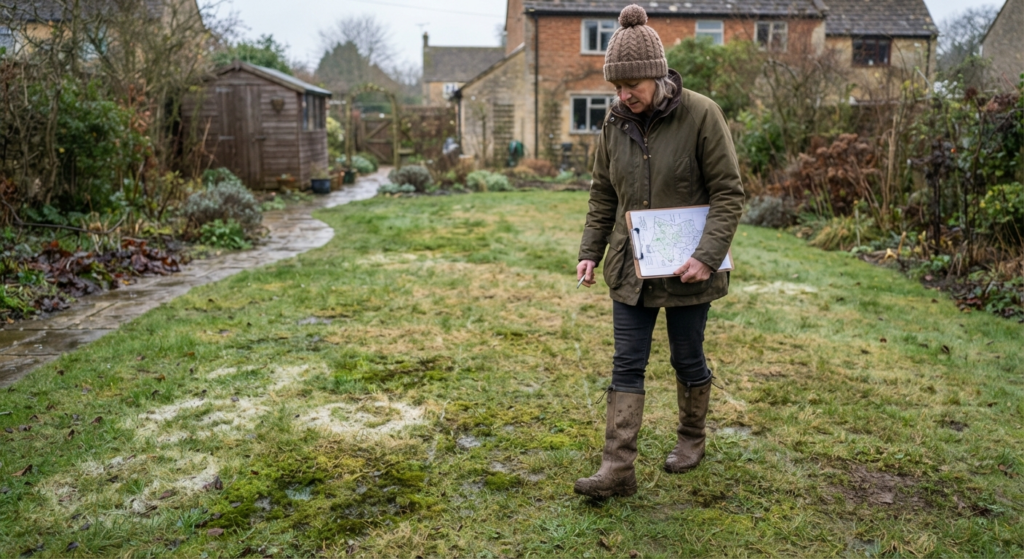
Most grounds teams start thinking about aeration when spring growth stalls and the turf looks flat. By that point compaction has already been limiting root development for weeks. A better approach is a quick assessment in late winter, while the evidence is still sitting on the surface.
Two things tell you what you need to know: the knife test and a read of winter wear patterns. Neither takes long. Together they give you a clear priority list before the first growth push arrives.
The knife test
Push a penknife or thin screwdriver blade into the soil with reasonable hand pressure. In healthy, well-structured soil it should penetrate around 10 to 15 cm without much effort. If you are fighting to get past 5 cm, or the blade deflects rather than driving in cleanly, you have compaction at or near the surface.
The test is most useful when you compare across the site rather than checking a single spot. Take a handful of marker canes. Check the pitch centre, the area near the gate, a well-used touchline, and a quieter corner. Write down where the blade resists, or photograph the cane markers before you pull them out. That record is more useful than memory when you are planning aeration passes three weeks later.
Do the test when the ground is moist but not frozen or saturated. Waterlogged soil gives misleading results because free water, not soil density, is what stops the blade. A frost-free morning after light rain works well.
Reading winter wear patterns
Before the first mow of spring tidies the surface, stop and look for a few minutes. Slow drainage after rain is the most obvious indicator: water sitting for an hour or more in one area while the rest of the site drains freely usually means the soil below is too dense to absorb it properly. Thin, yellowed or mossy turf in traffic areas is another signal. So are ruts and footprints that set during a wet spell and have since hardened into the surface.
None of these signs is conclusive on its own. A drainage fault or a localised disease patch can look similar. But when wear patterns and the knife test point to the same area, you have a clear case for aeration.
Where compaction concentrates on a site
Compaction is not random. It follows people and machinery.
On managed grounds, the worst areas are usually mower turning points and headlands, vehicle access routes, paths between buildings and car parks, and spectator touchlines. Compaction builds through the season, and winter foot traffic on wet ground settles it further.
On domestic lawns and private estates, it concentrates along the obvious route from the house to the far end of the garden, at step-off points where people leave hard paths, and beneath any furniture or structure that has stayed in position all winter.
Mapping by use pattern rather than doing a visual sweep on the day of aeration means you work the areas that actually need it and leave the rest alone.
From diagnosis to aeration plan
Once you have the priority zones identified, the method and timing can follow the soil type and site calendar.
Hollow-tine aeration removes cores of soil and gives the best result on heavy clay or severely compacted areas. Solid tine is quicker and less disruptive; it works well on lighter compaction or where you need to address the upper profile without disturbing the surface too much. On a mixed site you may end up using both, with hollow tine on the worst zones and solid tine elsewhere.
For spring aeration, clay soils are best treated when moist but no longer waterlogged, usually from late March onwards. Sandy or free-draining soils can tolerate earlier intervention. On sports grounds, timing is often fixed by fixture schedules, which is exactly why having the priority map ready now saves a rushed decision later.
Frequently asked questions
When is the best time to aerate a lawn in the UK?
Spring aeration from late March to April suits most soils once waterlogging has eased. Autumn aeration in September or October is often preferred for sports turf as it aids recovery before the next season. Avoid aerating when the ground is frozen, saturated or during a dry summer period.
How do I know if my soil is compacted?
Push a penknife or screwdriver into the soil with hand pressure. Healthy soil accepts the blade to around 10 to 15 cm. Resistance at 5 cm or less, combined with slow drainage or thin turf in traffic areas, points to compaction.
What is the difference between hollow-tine and solid-tine aeration?
Hollow-tine aeration pulls out cores of soil, creating space and improving drainage in severely compacted ground. Solid tine punctures without removing material; it causes less surface disruption and is better suited to lighter compaction or situations where you plan to top-dress afterwards.
Can you aerate a lawn or pitch in February?
Only if conditions allow. February soil is often frozen or waterlogged, which makes aeration counterproductive and risks damaging the sward. Use February to assess and plan instead. Aeration can usually begin from late March once soil temperature and moisture levels are more suitable.
Will aeration fix waterlogging?
Aeration helps when compaction is the main cause of poor drainage. It will not solve a structural drainage problem, a high water table, or a site with insufficient fall. If waterlogging persists after aeration, look at subsoil drainage, grading or other site-level measures.