
 In stock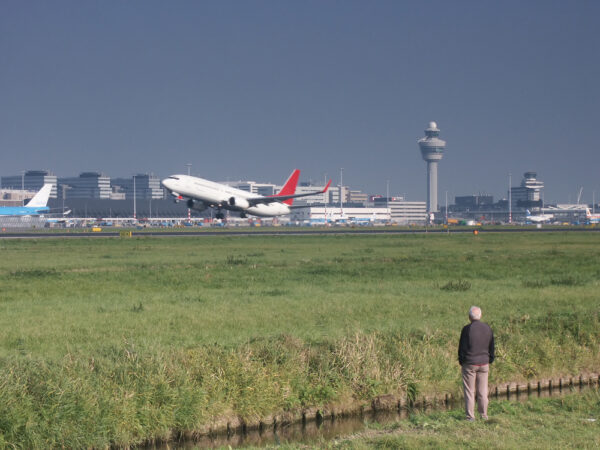
Bird Strike Grass Seed Mix
SKU bird strike In stock
A specialist grass seed mix for airport and airfield grounds management, based on long grass management principles. Tall fescue forms a dense, upright sward that deters ground-nesting and foraging birds and helps reduce bird strike risk. Suitable for new establishment or overseeding, and maintained at a cutting height of 150mm.
£7.55 per kg (inc VAT)£7.55 per kg (ex VAT)
Save up to 55% when you buy more
| Quantity | Price per kg | You save |
|---|---|---|
| 5–9 | £7.55 (inc VAT)£7.55 (ex VAT) | — |
| 10–14 | £5.55 (inc VAT)£5.55 (ex VAT) | 26% |
| 15–20 | £5.05 (inc VAT)£5.05 (ex VAT) | 33% |
| 21–80 | £4.93 (inc VAT)£4.93 (ex VAT) | 35% |
| 81–250 | £4.87 (inc VAT)£4.87 (ex VAT) | 35% |
| 251–499 | £4.64 (inc VAT)£4.64 (ex VAT) | 39% |
| 500–1,000 | £4.48 (inc VAT)£4.48 (ex VAT) | 41% |
| 1,001–3,000 | £4.27 (inc VAT)£4.27 (ex VAT) | 43% |
| 3,001–5,000 | £3.40 (inc VAT)£3.40 (ex VAT) | 55% |
| 5,001+ | £3.47 (inc VAT)£3.47 (ex VAT) | 54% |
Delivery
Nationwide, to site or yard
Dispatch
Next working day, in stock
Bulk & pallet
Volume pricing, any size
Talk to a specialist
01684 212 020
About Bird Strike Grass Seed Mix
Phoenix Amenity Bird Strike Grass Seed Mix is a specialist blend for airport and airfield grounds management, where controlling bird activity is a critical safety requirement. Based on long grass management principles, it establishes a dense, upright sward that makes the ground inhospitable to ground-nesting and foraging birds. This reduces the risk of bird strike incidents in and around airfield perimeters.
The mix follows the long grass management approach to airfield habitat control, in line with UK CAA guidance CAP 772: Wildlife Hazard Management at Aerodromes. Grounds teams at commercial airports, military airfields and other aviation sites across the UK use this approach.
Composition
| Species | Proportion | Primary role |
|---|---|---|
| Tall Fescue | 60% | Bird deterrence: stiff, upright sward structure |
| Dwarf Amenity Perennial Ryegrass | 15% | Rapid establishment and early ground cover |
| Cocksfoot | 10% | Hardiness and drought tolerance |
| Timothy | 10% | Frost hardiness and winter persistence |
| Crested Dogstail | 5% | Basal density and weed suppression |
Each species has a specific role, set out below.
60% tall fescue (Festuca arundinacea)
Tall fescue is the dominant species in this mix and the main reason it deters birds. At the recommended cutting height of 150mm, its naturally stiff, upright growth produces a coarse sward that birds tend to avoid landing, walking or nesting in. Its deep root system also gives good drought tolerance on the large open sites typical of airfields.
15% dwarf amenity perennial ryegrass (Lolium perenne)
This dwarf perennial ryegrass gives fast germination and early ground cover, protecting the establishing sward from weeds and creating a usable surface soon after sowing. Its compact growth complements the tall fescue rather than competing with it once the sward matures.
10% cocksfoot (Dactylis glomerata)
Cocksfoot adds hardiness and persistence to the mix. It copes well with dry, poor soils and exposed conditions, which suits the open, often free draining ground found on airfield perimeters and verges.
10% timothy (Phleum pratense)
Timothy brings frost hardiness and consistent performance across a range of soil types, helping to maintain sward density through winter and early spring when other species are less active.
5% crested dogstail (Cynosurus cristatus)
Crested dogstail adds density at the base of the sward, helping to suppress weeds and keep a uniform, closed canopy through the growing season.
Why this mix works
- The composition follows long grass management principles, in line with UK CAA guidance CAP 772: Wildlife Hazard Management at Aerodromes.
- At the recommended 150mm cutting height, the stiff, upright tall fescue sward discourages landing, foraging and nesting by ground-feeding birds.
- The ryegrass component gives fast initial ground cover, so there is less bare soil to attract birds or weeds while the sward establishes.
- Once established, the mix needs less frequent mowing than conventional amenity grass, which helps reduce maintenance on large airfield sites.
- Tall fescue, cocksfoot and timothy together cope well with exposed, free draining or frost prone ground.
- The dense sward reduces the invertebrate populations that can attract pest bird species.
Typical applications
- Commercial airport and airfield perimeter management
- Military airfield grounds
- Runway and taxiway verges
- Other aviation safety zones requiring bird deterrence
- Large open amenity sites where bird activity is a management problem
Sowing rates and mowing guidelines
Sowing rates
- New establishment on bare ground: 20g per m²
- Overseeding thin or worn areas: 10g per m²
Recommended mowing height
150mm (approximately 6 inches). Maintaining the sward at this height is essential to the bird deterrent function. Cutting below this height reduces the effectiveness of the long grass management strategy.
Best sowing times
Late summer to early autumn (August–October) is the preferred sowing window. Spring sowing (March–May) is also viable where soil moisture can be maintained during establishment.
Note: All seeds specified in this mixture are subject to availability at the time of purchase.
Grown for us by British partner nurseries
Expert product advice
Trade accounts welcome
Secure online checkout
Specification
Sowing rate (new)20 g/m²
Sowing rate (overseeding)10 g/m²
Goes well with
Related products
In stock  In stock
 Seed & Plants50 g/m²30 g/m²
Embankment Grass Seed Mix
£7.00 per kg (inc VAT)£7.00 per kg (ex VAT)
kg
 In stock
 Seed & Plants40 g/m²20 g/m²
Summer Sports Grass Seed Mix
£7.98 per kg (inc VAT)£7.98 per kg (ex VAT)
kg
 Quote
Quote  In stock
 Seed & Plants50 g/m²30 g/m²
Shade Area Grass Seed Mix
£6.98 per kg (inc VAT)£6.98 per kg (ex VAT)
kg
 In stock
 Seed & Plants40 g/m²20 g/m²
Cricket Wicket Grass Seed Mix
£6.25 per kg (inc VAT)£6.25 per kg (ex VAT)
kg
 In stock
 Seed & Plants30 g/m²10 g/m²
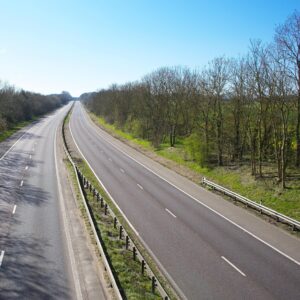
D.O.T. Verge Grass Seed Mix
£7.82 per kg (inc VAT)£7.82 per kg (ex VAT)
kg
 In stock
 Seed & Plants40 g/m²20 g/m²
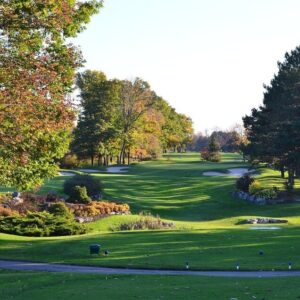
Premier Grass Seed Mix (includes Ryegrass)
£8.00 per kg (inc VAT)£8.00 per kg (ex VAT)
kg