
Plan a wildflower meadow that works: assess soil fertility, drainage and aspect before you order seed
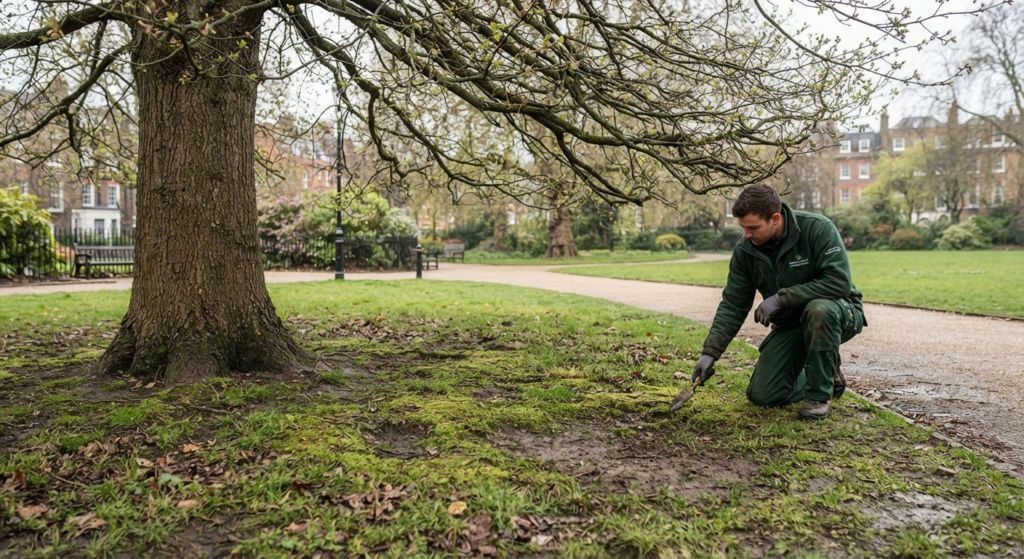
February is the right time to survey a potential wildflower meadow site, not April. Drainage patterns, waterlogged hollows and bare patches are visible in winter; once the grass starts growing, most of that information disappears until next year. If you are planning spring establishment, the window for a useful site assessment is now.
Soil fertility: the first test worth paying for
Most British native wildflowers evolved on low-fertility soils. The ancient hay meadow system worked precisely because repeated summer cuts removed nutrients over decades, leaving the rank grasses at a disadvantage. If your site has been fertilised recently, or carried an intensively managed ley, the phosphorus levels may be too high for a typical meadow mix to gain any foothold against perennial ryegrass.
A soil phosphorus (P) index from an agricultural laboratory costs around £15 to £20 and tells you what you are actually working with. Index 0 or 1 (below roughly 25 mg/l) is where meadow establishment becomes realistic without soil removal. Index 2 or above means you need a plan before you order seed: either strip and remove the topsoil, or commit to several seasons of cutting and removing material to deplete nutrients first. Better to know in February than in June when the mix has failed to compete.
Reading drainage in winter
Stand on the site after two or three days of steady rain and note where water sits. Ground that ponds for more than a few hours calls for a different palette: ragged robin (Lychnis flos-cuculi), marsh marigold (Caltha palustris) and meadowsweet (Filipendula ulmaria) suit wet or seasonally waterlogged ground in a way that ox-eye daisy and field scabious simply do not.
A site with genuinely varied drainage can support a richer community than uniform ground, but only if you map the wet and dry areas and match seed accordingly. Ordering one blend for the whole site, then wondering why the wetter patches produce only grass, is the most predictable meadow establishment mistake there is.
Aspect and shade
The direction a site faces and the hours of direct sun it receives determine which plant communities it can realistically support. Most UK wildflower mixes suit open, sunny to lightly shaded conditions. Genuinely shaded sites, where tree canopy or buildings block more than half the day’s light, will not sustain a classic flowering meadow. Shade-tolerant native species exist: red campion, wood anemone and foxglove work at woodland edges, but they suit a different planting brief entirely.
Walk the site in winter with a compass bearing noted. Check what adjacent trees will do when they leaf up in May: a south-facing site that looks open in February may be substantially shaded by June.
Matching species to the actual site conditions
With fertility, drainage and aspect recorded, the species list narrows considerably. That is the point. A 20-species mix suited to your actual soil and sun hours will establish better than a 30-species blend with half the plants in the wrong conditions.
Yellow rattle (Rhinanthus minor) is worth understanding before you commit to a spring sow. It is a semi-parasitic annual that attaches to grass roots and reduces their vigour, making space for flowering species that would otherwise be outcompeted. The problem: yellow rattle needs cold stratification to germinate and must be sown in autumn. Spring-sown yellow rattle does not germinate. If you want it in the mix, plan for this coming autumn instead.
For a typical lowland site on neutral to slightly acid soil with good drainage and full sun, a practical core selection would include ox-eye daisy (Leucanthemum vulgare), common knapweed (Centaurea nigra), ribwort plantain (Plantago lanceolata), bird’s-foot trefoil (Lotus corniculatus) and field scabious (Knautia arvensis). Always check that seed is of UK native provenance: it matters for long-term persistence and genuine ecological value.
What the survey should produce before spring
Before placing any seed order, you want a short written record: the soil phosphorus index and pH, drainage characteristics with wet areas noted, aspect and approximate shade hours, and a provisional species list cross-checked against all three. That document makes the seed order an informed one. If the phosphorus is too high, you know before the seed is bought, not after the first year’s establishment fails.
Frequently asked questions
How do I test soil fertility before sowing a wildflower meadow?
Send a soil sample to an agricultural laboratory for a phosphorus (P) index test. Index 0 or 1 (below roughly 25 mg/l in most UK testing systems) suits the majority of native meadow mixes. At index 2 or above, the ground is too fertile for wildflowers to compete without first stripping topsoil or depleting nutrients over several seasons of cutting.
Can I create a wildflower meadow on clay soil?
Yes, though clay retains moisture and can sit wet through winter. Choose species suited to heavier, damper ground: ragged robin, meadow cranesbill and devil's bit scabious tolerate conditions that would stress chalk-downland species. A drainage assessment before sowing is particularly important on clay sites.
When is the best time to sow a wildflower meadow in the UK?
The two main windows are late summer to early autumn (August to October) and early spring (March to April). Autumn sowing suits species that benefit from cold stratification, including yellow rattle. Spring sowing works well for most perennial wildflower and grass mixes once soil has warmed above around 7 degrees C.
Does a wildflower meadow need yellow rattle?
Not always, but it helps on sites where grass is competitive. Yellow rattle is a semi-parasitic annual that suppresses grass vigour, giving less competitive wildflowers room to establish. It must be sown in autumn as it requires cold stratification; spring-sown yellow rattle will not germinate, so plan it for the following autumn if you have missed this year's window.
Which native wildflowers are suitable for shaded areas?
The choice is narrower than most people expect. Red campion, foxglove, wood anemone, wild garlic and bluebell tolerate partial shade and suit woodland-edge situations. A classic open-meadow mix, including ox-eye daisy and knapweed, needs reasonable light levels to establish and persist.