
How to use soil temperature to pick the right spring sowing date
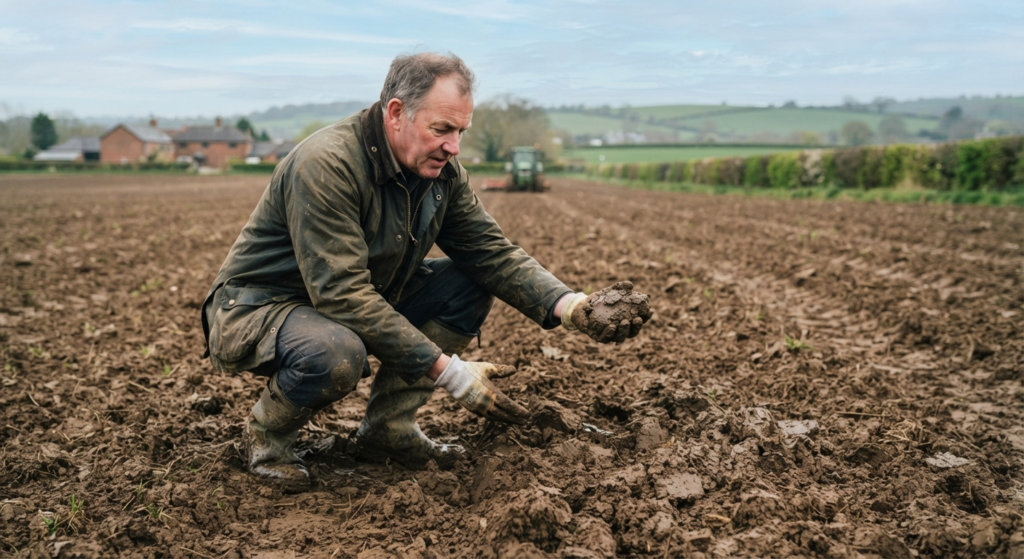
Grass seed does not respond to the date. It responds to temperature, and specifically to what the soil is doing at root level, not what the air is doing at shoulder height. In early spring, the two can be several degrees apart. A warm afternoon pushing air temperature to 14°C means little if the soil at 100mm depth is still sitting at 5°C.
For most UK grass seed mixes, germination becomes reliable at soil temperatures of 8 to 10°C. Below 8°C, seed can absorb water without germinating. Left sitting wet in cold soil for weeks, it becomes vulnerable to fungal rot. Some perennial ryegrass cultivars will push at 7°C in good conditions, but as a working rule, 8°C is the minimum and 10°C is where most professional contractors feel comfortable sowing.
How to take a reading you can actually trust
Buy a soil thermometer. A basic probe costs under £15 and gives you more reliable information for this decision than any weather app. Push the probe to about 100mm depth (roughly a hand’s width) and take readings at 8am on three consecutive days. Eight in the morning is the coldest point of the daily cycle, so a consistent reading of 9 to 10°C at that time means the soil has genuine warmth in it, not just afternoon surface heat.
Average those three readings. Anything consistently above 8°C with no hard frost forecast is a reasonable sowing window. Below that, the seed will either sit dormant or start to fail, and re-seeding costs more than waiting another week.
Why the 7-day forecast matters just as much
Soil temperature today is only part of the picture. Germination takes 7 to 21 days depending on species mix and conditions, so what the weather does after sowing matters. Soil temperature lags air temperature by two to three weeks in spring: it warms slowly and it cools slowly. A cold air spell in week two after sowing will not drop soil temperature as sharply as it drops overnight air temperature, but it will slow germination and leave young seedlings more exposed if they have just emerged.
Check the Met Office 7-day forecast alongside your soil readings. If overnight temperatures are forecast to drop below -2°C more than once in the coming week, it is worth waiting. Established turf handles late frost reasonably well. Seedlings in their first week are more vulnerable, and seed that has not yet germinated generally survives a cold snap better than one that has just broken the surface.
Regional differences and on-site variation
Week 10 of the year falls in early March. In southern England and coastal areas, soil can reach 8 to 10°C by late February in a mild year. In northern England, Scotland and higher-altitude sites, April is a more realistic starting point. The difference is not only north to south: on the same estate, a south-facing bank in full sun can run three to four degrees warmer than a shaded north-facing slope or a frost pocket in a low-lying hollow.
If you manage multiple sites or a large area, take readings in more than one spot. A week’s difference in sowing time is cheap. Failed establishment is not.
The seedbed check that often gets skipped
Temperature sets the window, but soil condition closes it if it is wrong. Seed needs good contact with soil particles and oxygen in the profile to germinate. Waterlogged or compacted ground provides neither. Walk the prepared area after rain: if the surface smears under your boot rather than staying crumbly, the soil is too wet to sow into. Patchy germination from a poor seedbed takes weeks to correct and usually needs re-seeding in the gaps.
The practical trigger: three consecutive 8am soil readings at or above 8°C, no hard frost forecast in the next seven days, and a seedbed that is moist but not wet. Get those three checks right and the sowing date looks after itself.
Frequently asked questions
What soil temperature is needed for grass seed to germinate?
Most UK grass seed mixes start to germinate at around 8°C soil temperature at 100mm depth. Germination is more reliable from 10°C upward. Some perennial ryegrass cultivars may push at 7°C but establishment is slow at those temperatures.
How do I measure soil temperature before sowing?
Use a probe-type soil thermometer pushed to 100mm depth. Take readings at 8am on three consecutive days and average them. Early morning gives you the true low point of the daily cycle rather than an inflated afternoon reading.
When is the earliest I can sow grass seed in spring in the UK?
In mild parts of southern England and coastal areas, late February or early March can work in a good year. Northern England and Scotland are generally looking at April. The real trigger is consistent soil temperature above 8°C, not a fixed date on the calendar.
Can frost damage newly sown grass seed?
Ungerminated seed is fairly frost-tolerant. Seedlings that have just emerged are more vulnerable. Avoid sowing if hard frost below -2°C is forecast in the next 7 days, as newly germinated seedlings can be damaged or set back significantly.
Does wet soil affect germination even if the temperature is right?
Yes. Seed needs soil contact and oxygen to germinate. Waterlogged or heavily compacted seedbeds exclude air from the profile and often result in patchy or failed germination. Wait until the seedbed is moist but not wet before sowing.