The grassland areas that work hardest for pollinators in June, and how to record what they deliver
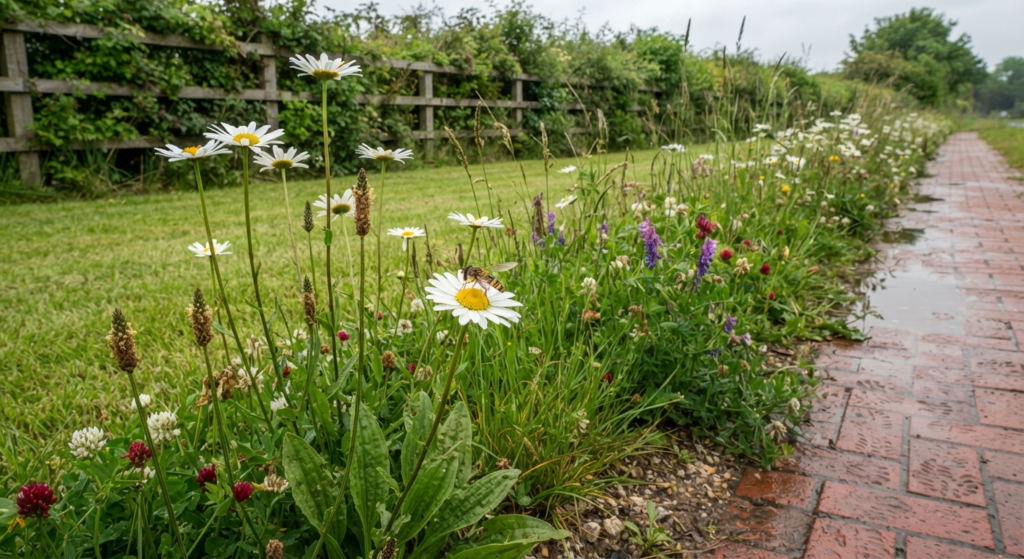
Not every uncut area delivers equally for pollinators. Find out which amenity grassland zones work hardest in June and how to record the results.
Trade customer? Open an account for volume pricing & POA on bulk orders. Apply now →
Practical, UK-specific advice on seed, lawns, wildflowers, fertiliser and groundcare — from a family-run supplier since 2004.
A quick season-by-season guide for grass seed, wildflowers and feed in British conditions. Timings shift with the weather and your region — get in touch if you want a site-specific plan.
Not every uncut area delivers equally for pollinators. Find out which amenity grassland zones work hardest in June and how to record the results.
Raising the mowing height to 4 to 5 cm before summer drought arrives gives your lawn a better chance of staying green and recovering…
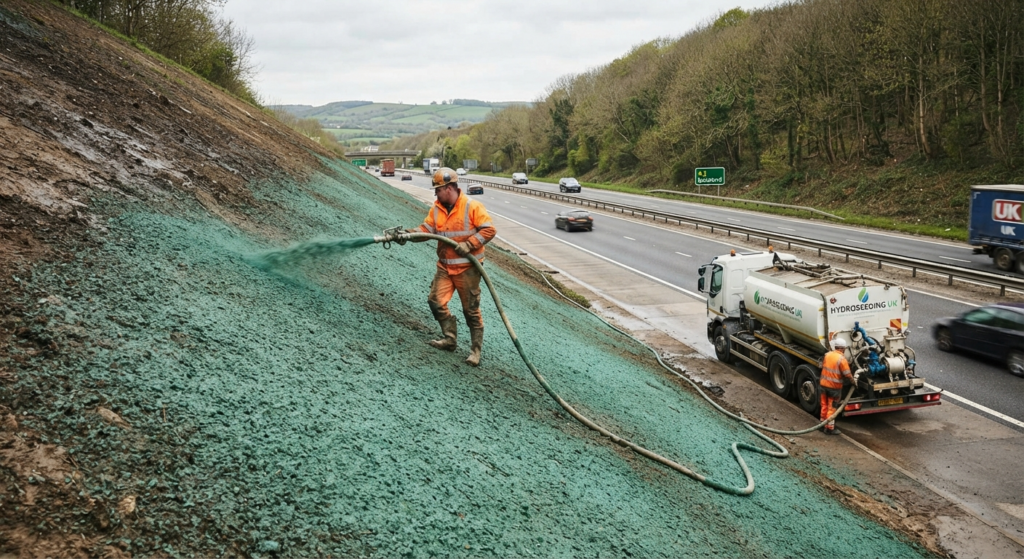
Hydroseeding sprays seed inside a mulch slurry that clings to slopes and protects germination. Here is why it outperforms dry sowing on steep or…
Fine fescues root deeper and need less water than ryegrass. On dry or unirrigated sites, choosing the right species now makes a real difference…
Late frosts are possible well into May across the UK. Find out how to read Met Office frost warnings and keep tender new growth…
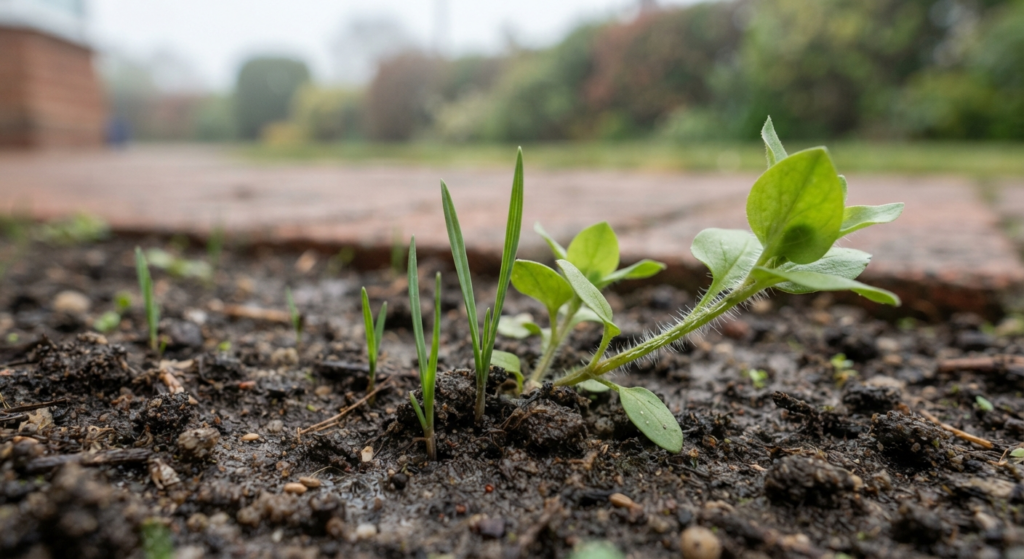
Annual weeds and new grass seedlings emerge together in spring. Identification skills and a well-timed first cut are the practical answer for new sowings.
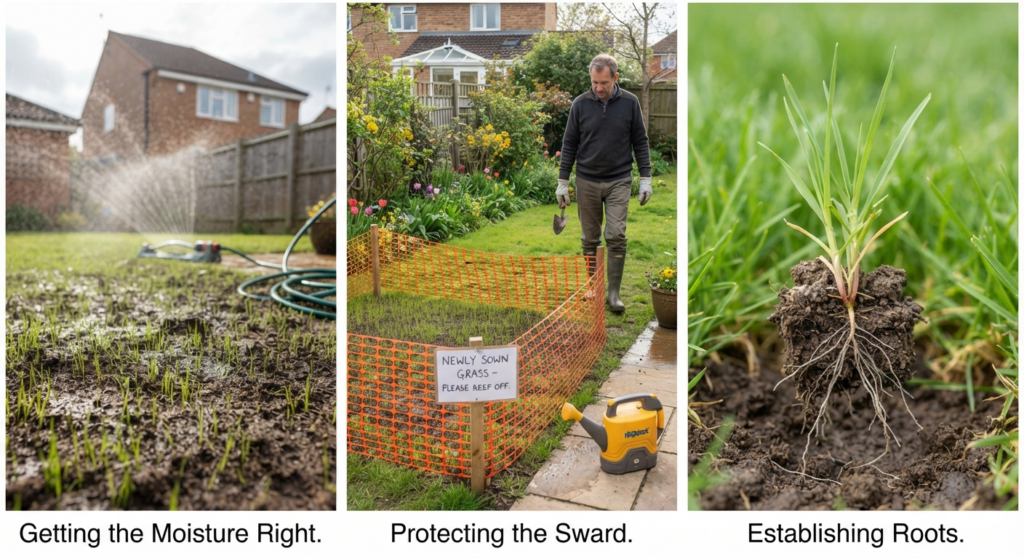
Spring-sown grass seedlings are fragile. Here is how to water correctly, avoid traffic damage and time the first mow for a strong establishment.
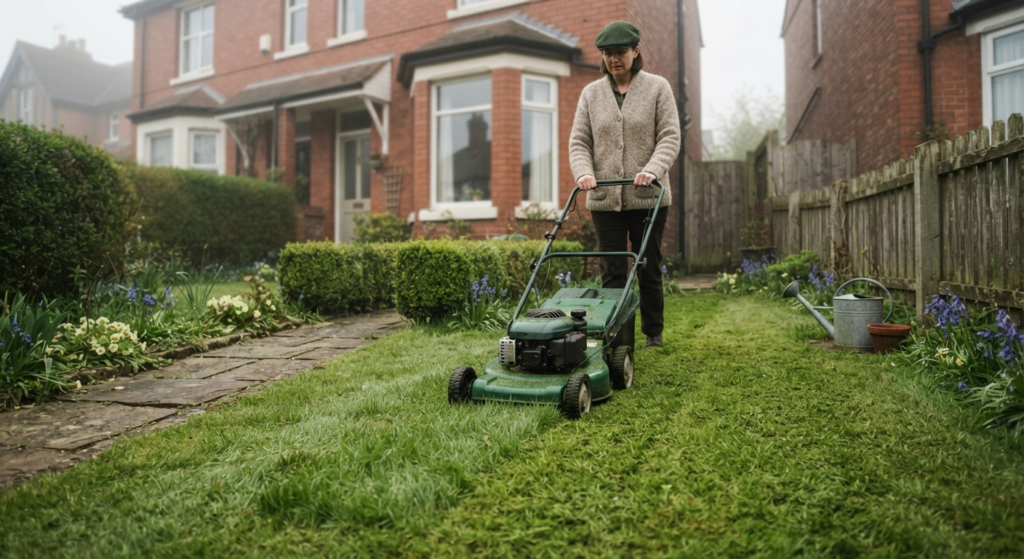
When spring grass races ahead of your mowing schedule, the one-third rule protects your sward. More cuts, not harder cuts, are the answer.
A staged spring fertiliser programme rebuilds density on winter-worn sports pitches. Staging the feed to match soil temperature is what makes the difference between…