
 In stock
 Seed & Plants40 g/m²20 g/m²
Premier Winter Sports Grass Seed Mix
£7.08 per kg (inc VAT)£7.08 per kg (ex VAT)
kg
Trade customer? Open an account for volume pricing & POA on bulk orders. Apply now →
SKU PH-AMP Out of stock
Aquatic and marginal plants supplied as plugs for pond, wetland and waterway planting projects. We stock species across all four planting zones, from boggy ground and pond margins through to emergent and submerged growth, suited to reedbeds, habitat creation, water quality schemes and SUDS. Tell us your site conditions and we will recommend a suitable mix.
This line is supplied to order. Talk to our team for current pricing, lead time and bulk rates.
Email an enquiry insteadPhoenix Amenity supplies a range of aquatic and marginal plants for pond, wetland and waterway planting projects, covering all four aquatic planting zones.
Prepare the ground before planting to reduce competition from existing weed growth. Cut back tall vegetation and treat weeds such as docks and nettles with a broad-spectrum herbicide suitable for use near water.
Aquatic plants fall into four planting zones: boggy plants, marginal plants, emergents and submergents (oxygenators). Choose species according to the zone, since planting depth, water level and whether the water is flowing or standing, as in rivers or ponds, all affect which plants will establish well.
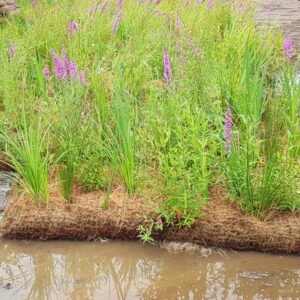
These species grow in waterlogged or seasonally wet ground rather than in the water itself. We recommend a planting density of 20 plants per Sq.M using small wildflower plugs (27cc).
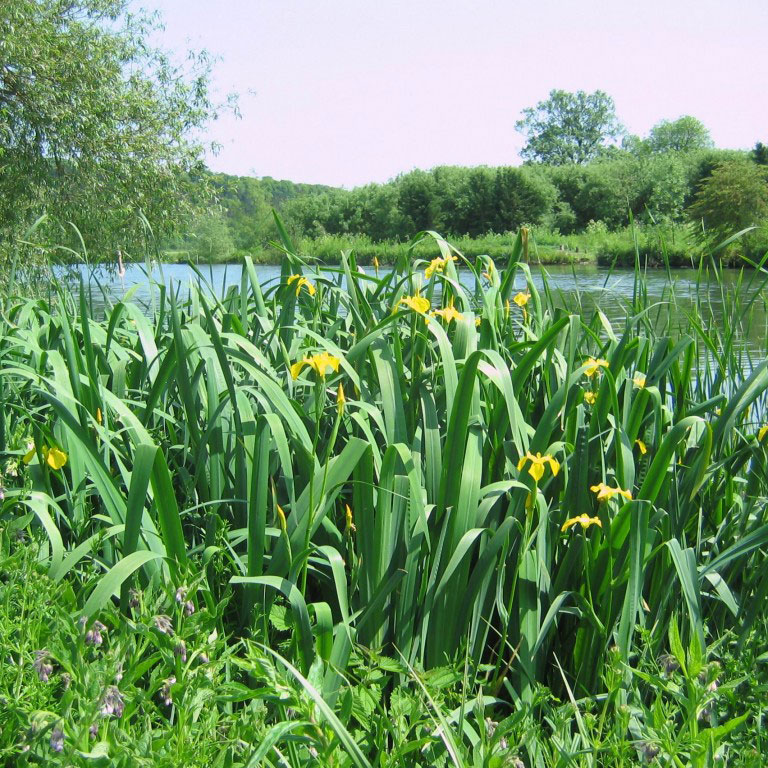
Marginal plants are planted at, or just above, the water’s edge, to a maximum depth of 350mm. We recommend a planting density of 8 plants per Sq.M using 7cm plugs. Some species prefer drier conditions, while others prefer the damp, boggy soil at the water’s edge.
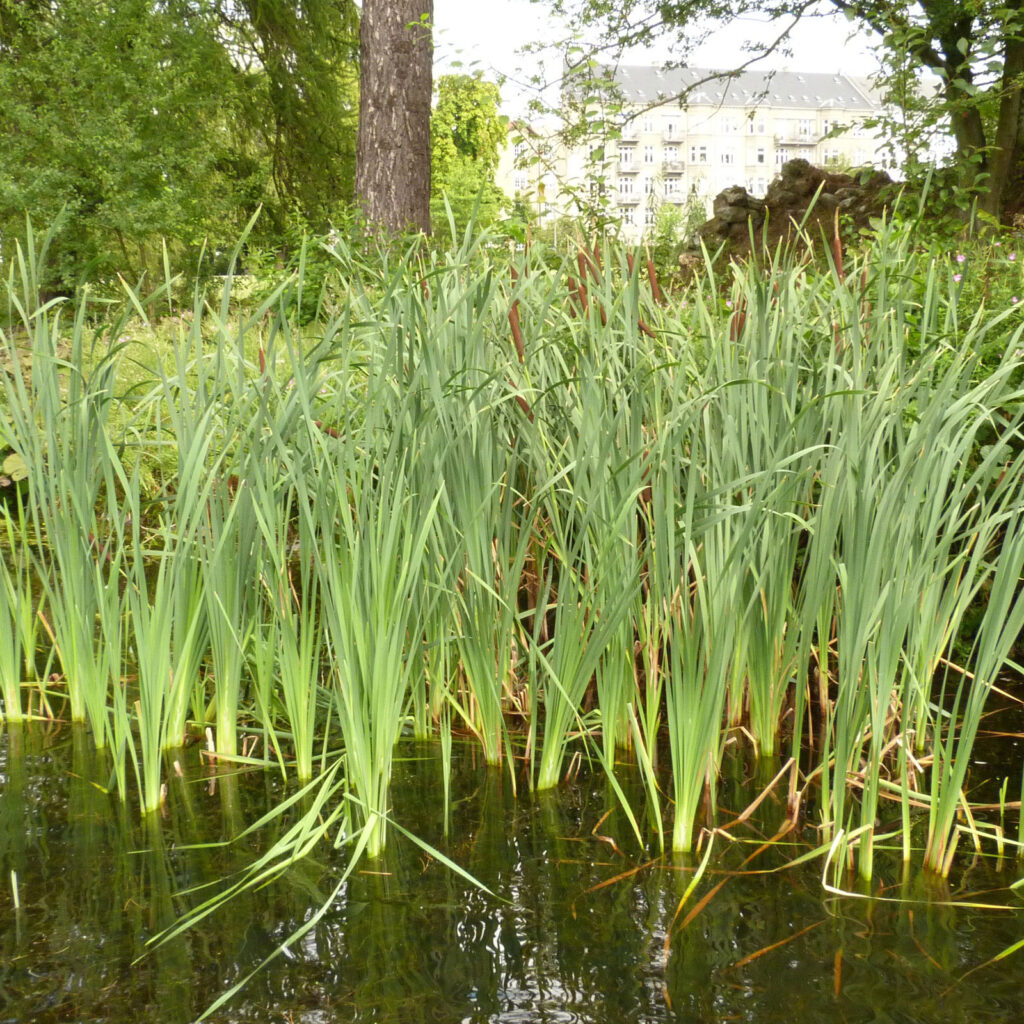
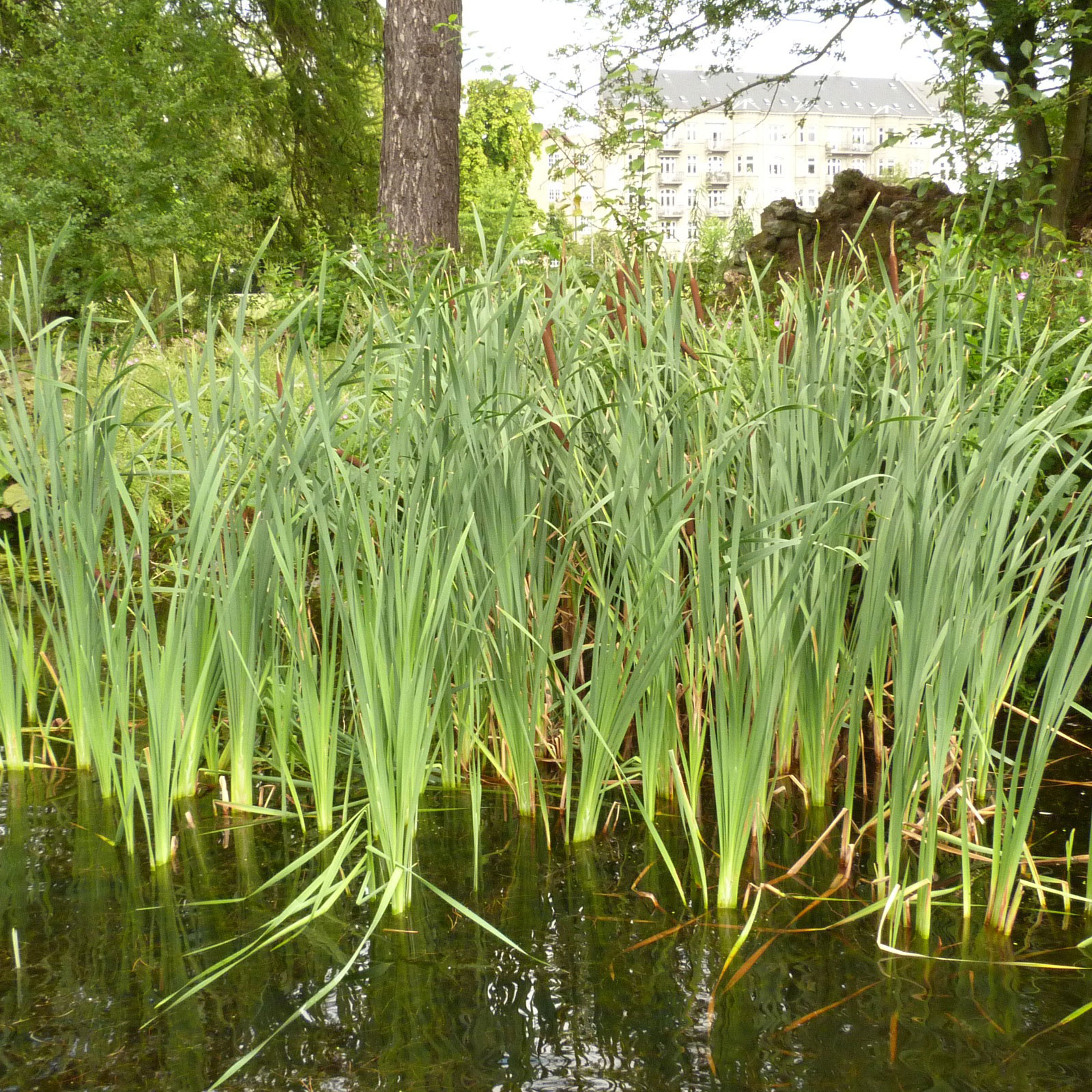 Emergent plants are planted in the water column to a depth of 0-500mm, and the roots grow deeper over time. If the area is likely to dry out and the overall depth is less than one metre, avoid aggressive emergent species such as typha (bulrush) and Phragmites (common reed). Emergents such as reeds and bulrush are valued for their photo-remediation capacity, though they can eventually dominate an area if left unmanaged. We recommend a planting density of 8 plants per Sq.M.
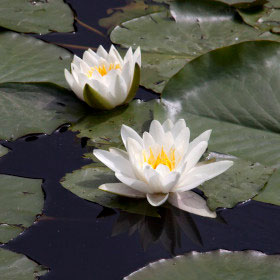
This group includes floating plants such as water lilies and oxygenating plants such as pondweed. They are grown fully submerged or floating in the water column, and we recommend a planting density of one to four plants per Sq.M. Most oxygenating species are sold in leaded bunches that can be dropped straight into the water; others, such as bogbean, creep along the surface and can be planted as bare-root plants. Water lilies are sold in baskets and should be submerged to a depth of up to 1.5m, which allows the leaves to float on the surface.
Goes well with
In stock Seed & Plants40 g/m²20 g/m²
 Quote
Quote  In stock
 Seed & Plants40 g/m²20 g/m²
 In stock
  Quote
Quote 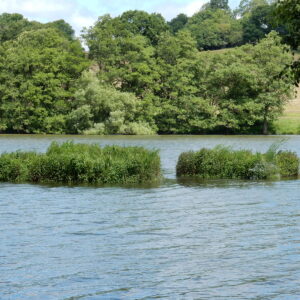 Quote
Quote  In stock
 Seed & Plants30 g/m²10 g/m²
 In stock
 Seed & Plants8–12 g/m²4–8 g/m²