
 In stock
 Seed & Plants50 g/m²30 g/m²
Woodland & Heavy Shade Grass Seed Mix
£10.53 per kg (inc VAT)£10.53 per kg (ex VAT)
kg
Trade customer? Open an account for volume pricing & POA on bulk orders. Apply now →
In stock
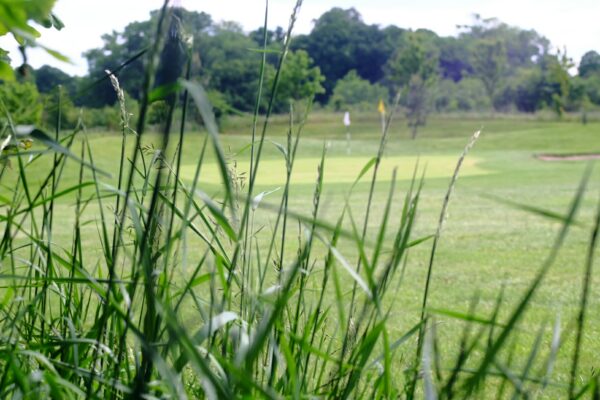
Specialist fescue and bent grass seed mix for conservation grassland, golf course roughs and low-maintenance amenity areas. Tolerant of drought and low fertility, it forms a fine-leaved, naturalistic sward that supports pollinators and needs mowing only a couple of times a year.
| Quantity | Price per kg | You save |
|---|---|---|
| 5–9 | £6.37 (inc VAT)£6.37 (ex VAT) | — |
| 10–14 | £5.37 (inc VAT)£5.37 (ex VAT) | 16% |
| 15–20 | £5.04 (inc VAT)£5.04 (ex VAT) | 21% |
| 21–80 | £4.75 (inc VAT)£4.75 (ex VAT) | 25% |
| 81–250 | £4.69 (inc VAT)£4.69 (ex VAT) | 26% |
| 251–499 | £4.46 (inc VAT)£4.46 (ex VAT) | 30% |
| 500–1,000 | £4.31 (inc VAT)£4.31 (ex VAT) | 32% |
| 1,001–3,000 | £4.09 (inc VAT)£4.09 (ex VAT) | 36% |
| 3,001–5,000 | £3.98 (inc VAT)£3.98 (ex VAT) | 38% |
| 5,001+ | £3.91 (inc VAT)£3.91 (ex VAT) | 39% |
Phoenix Amenity’s Conservation Grassland and Golf Roughs Grass Seed Mix is a specialist fescue and bent blend for areas where low-maintenance, naturalistic turf matters more than a manicured finish. It establishes into a dense, drought tolerant sward that needs minimal inputs, supports pollinators and invertebrates, and grows with the fine-textured, upright habit you want in a quality golf rough or conservation grassland.
| Species | Proportion | Primary role |
|---|---|---|
| Strong Creeping Red Fescue | 40% | Dominant sward structure and ground cover |
| Chewings Fescue | 20% | Fine texture and upright growth habit |
| Slender Creeping Red Fescue | 20% | Lateral spread and sward density |
| Hard Fescue | 10% | Drought tolerance and low fertility performance |
| Smooth Stalked Meadow Grass | 7% | Hardiness and rhizomatous persistence |
| Brown Top Bent | 3% | Basal density and fine aesthetic quality |
Below is a closer look at each species and what it does in the mix.
Strong creeping red fescue is the backbone of this mix. Its rhizomes spread underground to build a dense, resilient sward that gradually outcompetes coarser grasses and weeds, without the fertiliser and irrigation an amenity ryegrass mix would need. It tolerates low fertility, drought and infrequent cutting, which is why it forms the foundation of both conservation grassland and golf rough management.
Chewings fescue gives the sward its upright, fine-leaved character, the look you associate with a well-managed golf rough. Unlike the creeping fescues, it grows in dense tufts rather than spreading sideways, which produces the slightly irregular, wispy texture that sets a proper rough apart from scruffy amenity grass. It establishes well on poor, free-draining soils and copes with close mowing when needed.
Slender creeping red fescue fills in around the tufted Chewings fescue plants, adding lateral spread and density so the surface knits together more evenly. It does particularly well on sandy, low fertility soils, and its good salt tolerance makes it a useful component on coastal or exposed sites.
Hard fescue is the toughest species in the blend, holding its ground in the driest, poorest conditions. Its tight, dense tufts keep growing where other species thin out during extended dry spells, so ground cover holds and bare patches stay covered. It needs very little fertiliser and copes well with infrequent cutting, which keeps the overall blend low input.
Smooth stalked meadow grass spreads by underground rhizomes and gives the sward long-term staying power. It is slow to establish at first, but once in, it builds a resilient base layer that helps the turf recover from wear on areas that see occasional foot traffic or golf play, and it holds up through cold winters and dry summers.
Brown top bent adds fine density at the base of the sward and blends well with the fescues, rounding off a naturalistic finish. It thrives on the slightly acidic, low fertility soils typical of conservation grassland and golf course roughs.
For conservation grassland, cutting twice a year is generally enough. A spring cut, typically March to April, clears overwinter and early season growth and tidies the sward before the main growing season starts. An autumn cut (once seed has dropped, usually September to October) takes off the bulk of summer growth and stops rank thatch building up. Remove cuttings where you can: it avoids returning nutrients to the soil and encourages more diversity in the sward over time. For golf rough applications, height of cut will depend on course policy, but the mix performs well between 50–150mm.
Late summer to early autumn (August–October) is the preferred sowing window, when soils are still warm and rainfall is picking up. Spring sowing (April–May) also works, though establishment can be slower on free-draining soils during dry spells.
Note: All seeds specified in this mixture are subject to availability at the time of purchase.
Goes well with
In stock Seed & Plants50 g/m²30 g/m²
 In stock
 Seed & Plants30 g/m²10 g/m²
 In stock
 Seed & Plants13.5 kg/acre (≈3.3 g/m²)
 In stock
 Seed & Plants35–50 g/m²20–35 g/m²
Code BLGSM In stock
 Seed & Plants40 g/m²20 g/m²
 In stock
 Seed & Plants40 g/m²20 g/m²
 In stock
 Seed & Plants25 kg/acre (≈6.2 g/m²)
 In stock
 Seed & Plants14 kg/acre (≈3.5 g/m²)