
Salvia splendens Sellow ex Nees
Scarlet Sage
Scarlet sage is a tender member of the mint family native to Brazil, where the wild plant grows tall in warm, humid upland conditions. It is not a British native; in this country it is grown as a half-hardy bedding plant, raised from seed under glass and planted out once frost has passed.
About
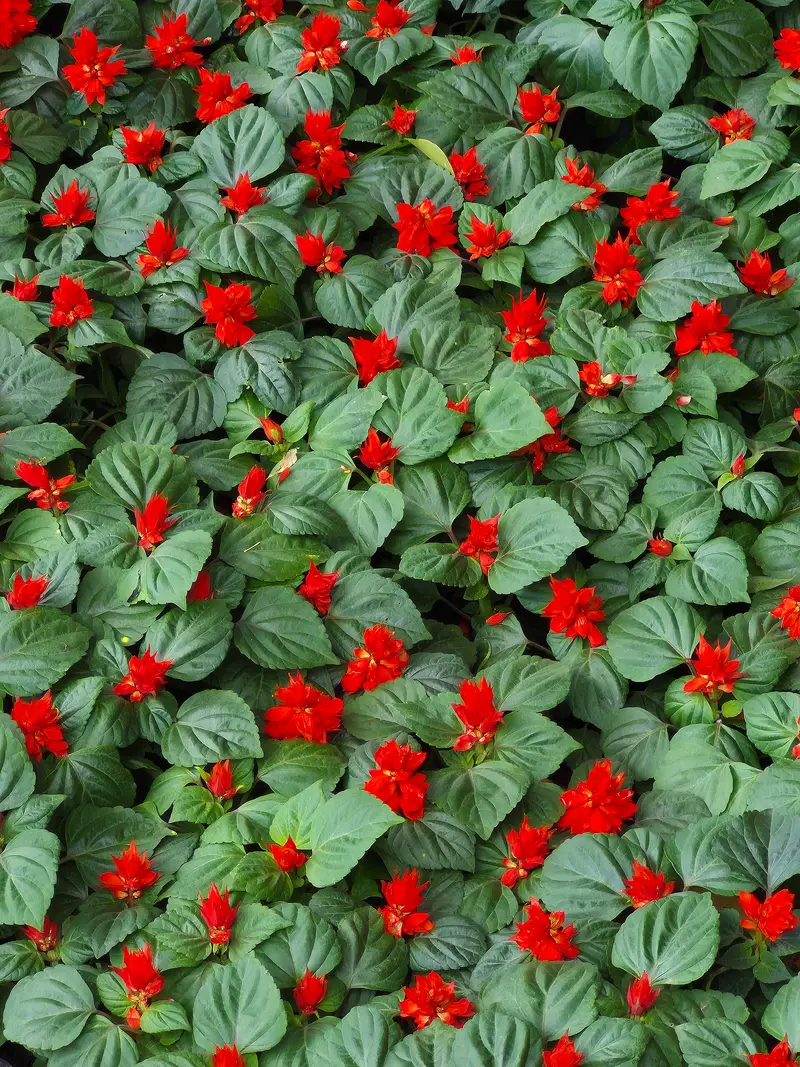
Scarlet sage is a tender member of the mint family native to Brazil, where the wild plant grows tall in warm, humid upland conditions. It is not a British native; in this country it is grown as a half-hardy bedding plant, raised from seed under glass and planted out once frost has passed. Garden forms are usually compact and bushy, with bright green leaves and dense, upright spikes of vivid flowers, most familiarly in brilliant scarlet but also in pinks, purples and whites.
It needs a warm, sunny position and fertile, moisture-retentive but free-draining soil, and is treated as an annual because it will not survive a UK winter outdoors. The tubular flowers can attract bees and other insects, but its main role is as a long-flowering summer bedding and container plant for strong seasonal colour rather than as part of native wildflower or meadow plantings.
Also known as
Scarlet sage, Tropical sage · bonfire salvia
Synonyms
Fenixanthes splendens · Horminum splendens · Jungia splendens · Salvia brasiliensis · Salvia colorans · Salvia hoveyi · Salvia issanchou
In our seed mixes
Beta — under active development. This catalogue is still being built and accuracy-checked. The information here (including plant identifications, British native status, soil and sun/shade preferences) is provided in good faith for general guidance only and may contain errors or omissions. It must not be relied upon on its own — please confirm details with us before making planting, specification, foraging or purchasing decisions, and never eat or medicinally use any plant based on this catalogue alone, as some species are toxic. To the extent permitted by law, Phoenix Amenity Supplies accepts no liability for any loss arising from use of this information.