
 In stock
 Seed & Plants100g
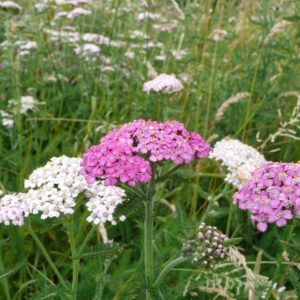
UM11 - Patchwork Wildflower Mix
Price range: £51.96 through £338.82 (inc VAT) Price range: £43.30 through £282.35 (ex VAT)
Choose options Trade customer? Open an account for volume pricing & POA on bulk orders. Apply now →
SKU Green Roofing Out of stock
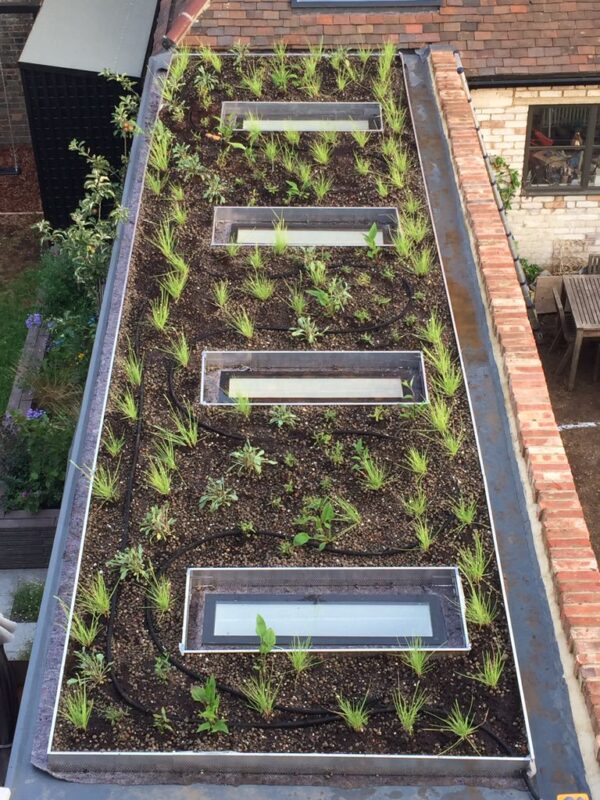
Green roofing for UK properties, covering extensive sedum roofs, intensive roof gardens and biodiverse builds. A green roof can cut energy costs, slow rainwater run-off, and give birds, bees and other wildlife a home in the built environment, while protecting the roof membrane underneath. Get in touch for advice on the right system for your building.
This line is supplied to order. Talk to our team for current pricing, lead time and bulk rates.
Email an enquiry insteadGreen roofing, also called a living roof, means covering a building’s roof with a waterproofing membrane and a layer of vegetation. It turns unused roof space into a growing surface that gives back several practical benefits: extra insulation, slower rainwater run-off and habitat for birds, bees and other wildlife. Green roofs suit a wide range of residential, commercial and public sector buildings across the UK.
The right system for a building depends on its load-bearing capacity, how much ongoing maintenance is practical, and whether the roof needs to be usable space.
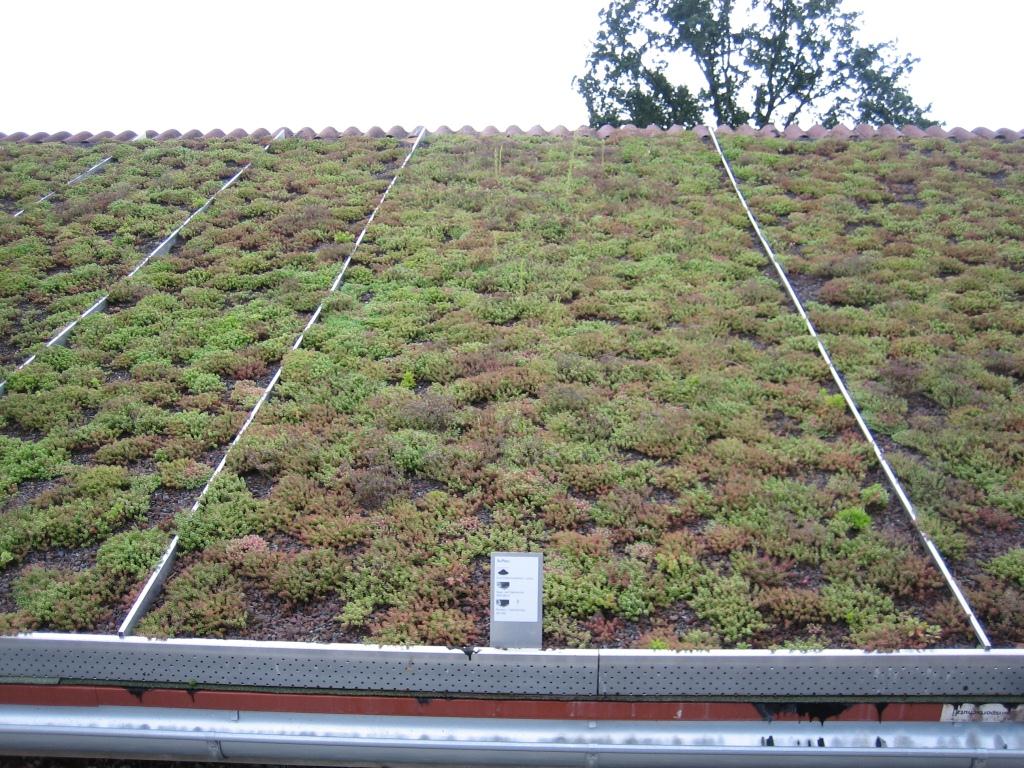
Extensive systems use a shallow substrate, typically 60-150mm deep, so they suit existing structures with limited load-bearing capacity such as garages, sheds and commercial buildings. They are usually planted with drought-tolerant sedum, mosses and wildflowers, and need little irrigation or maintenance once established, which makes them a practical option where low upkeep matters.
Intensive systems use a deeper substrate, typically 150mm to over 1000mm deep, and can support a wider range of planting including grasses, perennials, shrubs and even trees. They need regular irrigation and maintenance, much like a conventional garden, and are usually designed for public access on new builds or structures with enough load-bearing capacity to carry a roof garden or park.
Biodiverse green roofs can be extensive or intensive. They combine native UK plant species, varied substrate depths and features such as log piles and sand patches to attract a wider range of invertebrates, birds and pollinators. They are often specified to support urban biodiversity and to contribute to local Biodiversity Net Gain (BNG) targets.
A green roof is built up in layers over the structural roof deck:
To discuss which green roof system suits your building, contact Phoenix Amenity Supplies or use the enquiry form above.
Goes well with
In stock Seed & Plants100g
 In stock
 Seed & Plants2 g/m²100g
 In stock
 Seed & Plants100g
 In stock
 Seed & Plants5 g/m²250g
 In stock
 Seed & Plants5 g/m²250g
 In stock
 Seed & Plants100g
 In stock
 Seed & Plants2 g/m²100g
 In stock
 Seed & Plants5 g/m²250g